
How To Prevent Erosion From Poor Drainage
Have you ever wondered why your yard turns into a muddy mess after a heavy rain, while your neighbor’s lawn stays perfectly green and intact? The difference is often proper drainage. Water pooling in unwanted areas can quickly destroy a beautiful landscape when it has nowhere to go. Poor drainage washes away valuable topsoil, creates unsafe walking surfaces, and can even threaten your home’s foundation. Installing the right drainage system helps redirect excess water, protect your yard, and keep your landscape healthy year-round.
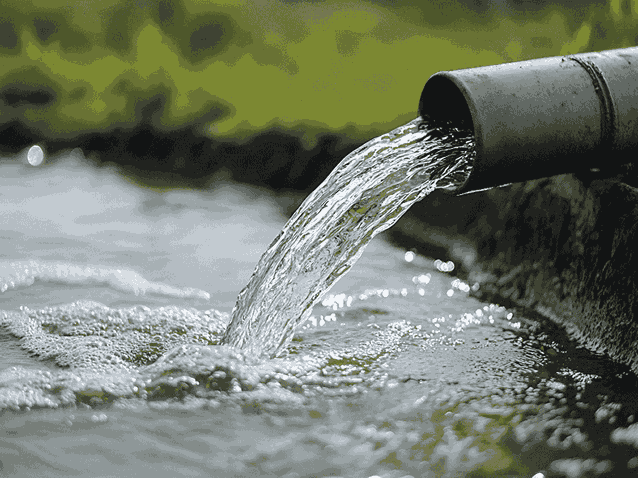
Many homeowners face these frustrating issues. They see standing water, soggy grass, and erosion channels forming across their property. The problem often lies in how water moves across the land.
This guide explores practical ways to manage water flow and protect your outdoor space. Simple changes can make a big difference in keeping your soil in place and your yard looking great.
Key Takeaways
- Poor water management leads to soil loss and landscape damage.
- Standing water can indicate problems with surface flow.
- Proper grading helps direct water away from vulnerable areas.
- Various systems can effectively manage excess water.
- Regular maintenance keeps solutions working properly.
- Combining methods provides the best protection against erosion.
- Some situations may require professional lawn assessment for optimal results.
Understanding Drainage Fundamentals
Many property owners struggle with water management without understanding the basic principles at work. The movement of water across land follows natural patterns that can be enhanced or disrupted by human activity.
Why Proper Drainage Matters for Erosion Control
Effective water management protects landscapes from deterioration. It prevents soil loss by controlling how water moves across the surface.
Good systems eliminate standing water that can damage plants and structures. They create safer environments by preventing slippery surfaces and foundation issues.
Common Signs of Inadequate Drainage Systems
Property owners should watch for several warning signs. Persistent puddles that remain long after rain indicate problems.
Soggy soil and mushy grass areas suggest poor water absorption. Water stains in basements or crawl spaces often point to foundation water issues.
Increased mosquito activity may signal standing water problems. These signs help identify areas needing improvement.
How Water Flow Affects Soil Stability
Water movement directly influences ground integrity. Fast runoff can wash away valuable topsoil during heavy storms.
Slow absorption may waterlog and weaken the earth structure. Compacted soil from foot traffic reduces water penetration.
This leads to surface pooling and increased erosion risk. Different soil types handle moisture differently.
Clay soils drain poorly while sandy soils allow rapid flow. Both situations can contribute to landscape deterioration.
Improving Soil Through Yard Aeration
Many homeowners notice their lawns struggle with water issues despite proper grading. Compacted earth prevents moisture from reaching deep into the ground. This creates surface problems that affect the entire landscape.
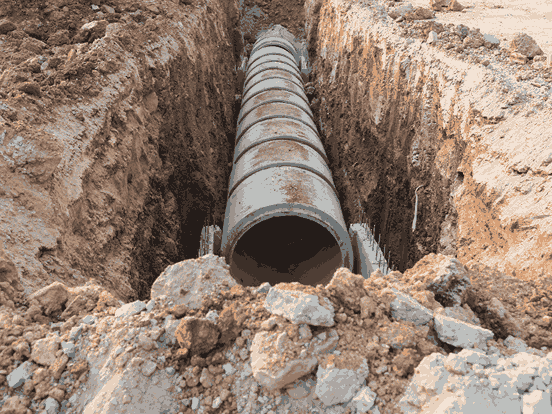
Aeration offers a simple solution to these common yard challenges. It creates small openings in the ground that transform how water moves through soil. This process helps maintain healthier grass and better water management.
Benefits of Aeration for Water Absorption
Aerated soil acts like a sponge for moisture. The holes allow water to penetrate deep into the earth instead of running off. This reduces puddles and helps grass roots grow stronger.
Better absorption means less water waste during irrigation. Nutrients reach root zones more effectively. The soil structure improves over time with regular treatment.
Different Aeration Methods and Tools
Homeowners can choose from several aeration approaches. Spike tools poke holes into the ground using solid tines. Core removers extract small plugs of soil to create space.
Manual options include garden forks and aerator shoes. Motorized machines work well for larger yards. The choice depends on yard size and soil condition.
When to Aerate Your Lawn for Best Results
The ideal time coincides with active grass growth. Spring and fall provide perfect conditions for recovery. Cool-season grasses benefit most from autumn treatment.
Soil should be moist but not soggy during the process. Avoid dry, hard ground or overly wet conditions. Most lawns need aeration once per year.
High-traffic areas might require more frequent attention. Observe how water behaves after rainfall to determine needs. Proper timing ensures maximum benefits for your landscape.
Proper Yard Grading Techniques
Getting the ground slope right makes a huge difference in how water moves across your property. Proper grading creates natural pathways that guide moisture away from vulnerable spots. This simple technique can solve many common landscape water issues.
Many homeowners discover their land slopes toward their house instead of away from it. This causes water to collect near the foundation. Correcting this problem protects your home and keeps your yard healthier.
Assessing Your Yard’s Current Slope
Start by checking how water behaves after rainfall. Look for areas where puddles form or where moisture flows toward the house. These spots need attention.
Use simple tools to measure elevation changes. A water level or laser level gives accurate readings. Mark problem zones where water collects or moves incorrectly.
Creating the Ideal Slope Away from Foundations
The perfect slope drops 2-3 inches for every 10 feet of distance. This gentle angle guides water away from structures. It prevents pooling near your home’s foundation.
This slope works for most soil types and landscapes. It moves water effectively without causing erosion. The angle is steep enough to direct flow but gentle enough to maintain stability.
| Distance from Foundation | Ideal Drop | Purpose |
|---|---|---|
| 0-10 feet | 2-3 inches | Prevents water accumulation |
| 10-20 feet | 4-6 inches | Maintains flow away from home |
| 20-30 feet | 6-9 inches | Ensures proper drainage |
Adding Soil for Improved Water Runoff
Use clay-type soil or topsoil to build up low areas. These materials compact well and resist washing away. Blend new soil with existing earth to prevent settling issues.
Compact each layer as you add soil. This creates a stable surface that won’t shift over time. The goal is to create a smooth, consistent slope that directs water flow.
After grading, plant grass seed or lay sod. Growing grass helps stabilize the soil and improves water absorption. The roots hold everything in place during heavy rains.
Check your work after the next storm. Watch how water moves across the newly graded surface. Make adjustments if needed to ensure proper flow away from your home.
Installing French Drain Systems
When surface solutions aren’t enough, underground systems offer powerful protection. French drains provide hidden water management that keeps yards dry and foundations safe. These subsurface solutions work quietly beneath the ground to solve persistent moisture problems.
How French Drains Redirect Water Flow
French drains capture and move water through a simple but effective design. A perforated pipe sits in a gravel-filled trench, allowing water to enter from all sides. The system guides moisture away from trouble spots to safer discharge areas.
Water naturally flows through the gravel and into the pipe openings. The sloped trench ensures constant movement toward the desired exit point. This prevents saturation in vulnerable zones around your home.
These systems excel at handling water from multiple sources. They can intercept runoff from neighboring properties and manage poor street grading. The hidden nature makes them ideal for maintaining landscape aesthetics.
Step-by-Step Installation Process
Proper installation ensures optimal performance for years to come. The process requires careful planning and attention to slope requirements.
- Mark the trench path from problem area to discharge point
- Dig trench 6-12 inches wide with consistent 2% slope
- Line trench with landscape fabric to prevent soil intrusion
- Add 2-inch gravel layer for initial drainage bed
- Place perforated pipe with holes facing downward
- Cover pipe with additional gravel, maintaining slope
- Fold fabric over gravel layer to create protective barrier
- Backfill with soil and restore surface vegetation
The slope is critical for proper water movement. A 1-foot drop per 50 feet ensures smooth flow without pooling. Homeowners should verify measurements multiple times during installation.
| Trench Depth | Pipe Size | Gravel Layer | Minimum Slope |
|---|---|---|---|
| 18-24 inches | 4-inch diameter | 2-3 inches below/above | 2% (1/4 inch per foot) |
| 24-36 inches | 6-inch diameter | 3-4 inches below/above | 2% (1/4 inch per foot) |
| 36+ inches | 8-inch diameter | 4-6 inches below/above | 1% (1/8 inch per foot) |
Maintaining Your French Drain System
Regular maintenance keeps these systems working effectively. Simple checks after heavy storms help identify potential issues early.
Inspect the discharge point for normal water flow. Reduced output might indicate pipe blockages. Use a garden hose or plumbing auger to clear obstructions.
Check for surface settling above the trench line. Add soil to maintain proper grading if needed. Avoid planting deep-rooted vegetation near the drain path.
Annual flushing with high-pressure water clears sediment buildup. Ensure connecting points with other systems remain secure. Professional assessment every few years verifies optimal performance.
Proper lawn maintenance extends the system’s lifespan significantly. Well-cared-for French drains can function effectively for decades. They provide reliable protection against water damage and soil erosion.
Managing Gutter and Downspout Systems
Roof water management plays a crucial role in protecting landscapes from erosion. Gutters and downspouts form the first line of defense against water damage. They capture rainfall and direct it away from vulnerable areas around your home.
Properly maintained systems prevent numerous problems. They stop water from pooling near foundations and washing away valuable topsoil. These components work together to control the flow of water across your property.
Extending Downspouts for Better Water Diversion
Standard downspouts often release water too close to the house. This can lead to foundation issues and soil erosion. Extensions provide a simple solution to this common problem.
Flexible pipes can direct water 5-10 feet away from the structure. This distance prevents moisture from seeping into the foundation. It also reduces the risk of soil displacement around the home.
Extensions should slope gently away from the house. This ensures water continues moving toward safer discharge areas. Proper drainage installation prevents new pooling spots from forming in the yard.
| Extension Type | Recommended Length | Best Use Cases |
|---|---|---|
| Flexible PVC | 5-10 feet | Residential properties, easy adjustment |
| Rigid Aluminum | 4-8 feet | Permanent installations, high durability |
| Retractable | 6-12 feet | Seasonal use, storage convenience |
Using Rain Barrels for Water Collection
Rain barrels offer an eco-friendly solution to water management. They capture rainfall from downspouts for later use. This reduces the amount of water flowing across your property.
Collected water works perfectly for irrigation needs. It provides a free source of moisture for gardens and lawns. This practice conserves resources while protecting your landscape.
Barrels integrate easily with existing gutter systems. They connect directly to downspouts with simple adapters. Many models include overflow ports for handling heavy rainfall.
Regular maintenance keeps barrels functioning properly. Homeowners should clean them seasonally and check for leaks. Proper covers prevent mosquito breeding and debris accumulation.
Preventing Foundation Water Damage
Foundation protection requires consistent water management. Gutters and downspouts form the primary defense system. They work together to keep water away from vulnerable areas.
Clogged gutters can cause serious problems. They overflow during heavy rain, dumping water near the foundation. This moisture can seep into the ground and weaken the structure.
Regular cleaning prevents these issues. Homeowners should clear debris twice yearly, especially after autumn. Gutter guards offer additional protection against leaf accumulation.
Splash blocks provide extra protection under downspouts. They disperse water flow over a wider area. This reduces the impact on soil and prevents erosion channels.
Combining these methods creates comprehensive protection. Proper grading complements gutter systems for optimal results. Together they form a complete water management solution.
Choosing Drain-Friendly Hardscape Materials
Landscape design choices significantly impact how water moves across your property. The materials you select for paths and patios can either help or hinder proper water management. Smart choices create beautiful spaces that work with nature’s patterns.
Problems with Non-Porous Surfaces
Solid surfaces like concrete and brick create immediate water issues. They prevent moisture from soaking into the ground below. Instead, rainfall runs off these surfaces at high speed.
This rapid flow carries soil particles away from your landscape. It creates erosion channels and washes away valuable topsoil. The water collects in low areas, causing persistent puddles.
These surfaces often direct water toward your home’s foundation. This can lead to serious structural problems over time. The constant moisture weakens the ground support around your house.
Alternative Materials That Promote Drainage
Permeable options allow water to pass through naturally. Gravel and crushed stone provide excellent drainage capabilities. Water filters through the spaces between stones into the ground below.
Permeable pavers offer another smart solution. These special pavers have gaps filled with gravel or grass. They create stable surfaces while allowing water absorption.
Loose materials like pebbles and wood chips work well for paths. They provide good traction while managing moisture effectively. These options blend beautifully with natural landscapes.
| Material Type | Drainage Capacity | Best Applications | Maintenance Level |
|---|---|---|---|
| Permeable Pavers | High | Patios, Driveways | Low |
| Gravel/Crushed Stone | Very High | Paths, Drainage Areas | Medium |
| Wood Chips | Medium | Garden Paths | High |
| Solid Concrete | None | Not Recommended | Low |
Designing Landscapes That Manage Water Runoff
Good design incorporates natural water management principles. Create gentle slopes that direct flow toward appropriate areas. Use swales and dry creek beds to guide moving water.
Incorporate green spaces between hardscape elements. Grass strips between pavers increase water absorption. They reduce the total amount of runoff from your property.
Rain gardens make excellent features for wet areas. These planted zones absorb excess moisture during storms. They transform problem spots into beautiful landscape elements.
Always prepare proper bases under hardscape installations. Layer gravel and sand to create stable drainage foundations. This ensures long-lasting performance and effective water management.
Regular inspection maintains system effectiveness. Check for settling or blockages that might impede water flow. Address issues promptly to prevent erosion problems.
Catch Basins and Yard Drain Solutions
Some yards need more than surface fixes to handle heavy rainfall. Special underground systems can solve persistent water problems that other methods miss. These solutions work beneath the surface to keep your property dry and stable.
How Catch Basins Work to Prevent Pooling
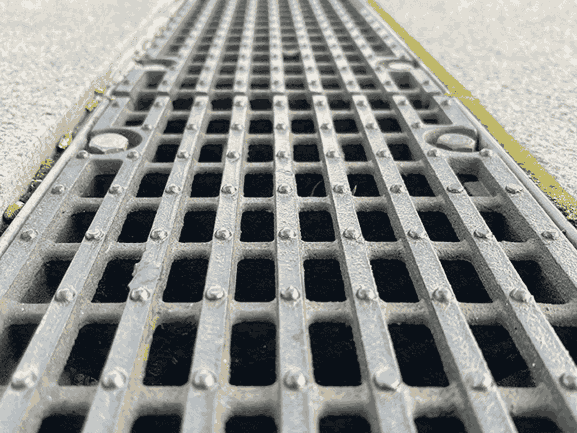
Catch basins collect surface water through a grated opening. They act like underground containers that capture excess moisture. The system then channels water through pipes to safer areas.
These units are particularly effective in low spots where water accumulates. They function well even when the ground is compacted or saturated. The grated top prevents large debris from entering while allowing water flow.
Water enters through the grate and settles in the basin. Sediment drops to the bottom while cleaner water flows out through the exit pipe. This design helps prevent clogs further down the system.
Installing Yard Drains in Problem Areas
Yard drains work like floor drains for outdoor spaces. They are installed directly in areas where water tends to collect. Proper installation ensures they function effectively for years.
The drainage service and installation process begins with excavating the problem area. Workers dig a hole deep enough to accommodate the drain unit. They create a gravel base for proper support and drainage.
The drain connects to a sloped pipe system that carries water away. A minimum 2% slope ensures proper water movement. This prevents backups and keeps water flowing away from trouble spots.
Homeowners should choose appropriate locations for drain outlets. These areas must handle additional water without creating new problems. Permeable zones or municipal systems often work best.
| Component | Purpose | Installation Depth | Slope Requirement |
|---|---|---|---|
| Catch Basin | Collects surface water | 18-24 inches | Level installation |
| Yard Drain | Direct point collection | 12-18 inches | 2% minimum slope |
| Drain Pipe | Transports water | Varies by design | 2-5% slope |
| Gravel Bed | Provides drainage base | 4-6 inches | Level surface |
Integrating Multiple Drainage Systems
Combining different water management methods creates comprehensive solutions. Catch basins can work with French drains or gutter extensions. This integrated approach handles complex water issues effectively.
Dry wells provide additional storage when connected to catch basins. They allow slow water release into the soil. This reduces erosion risk and manages larger water volumes.
Proper integration requires careful planning of all components. Each element must work with the others without conflict. The entire system should guide water toward appropriate discharge points.
Regular maintenance keeps integrated systems functioning properly. Homeowners should clean debris from grates and inspect pipes seasonally. Checking connections between different components prevents failures.
Some situations benefit from professional design assistance. Experts such as Lawn Spa Landscaping can ensure compatibility between various drainage elements. They help create systems that work together seamlessly for optimal performance.
Conclusion
Protecting your property from water damage requires smart planning and action. Proper water management keeps your soil stable and your yard beautiful. It prevents erosion and foundation problems.
Homeowners can choose from many effective solutions. These include grading the land, installing French drains, or using catch basins. Each method helps move water away from vulnerable areas.
Regular maintenance keeps these systems working well. Check them after heavy rains to ensure proper flow. Simple adjustments can prevent bigger issues later.
Combining different approaches gives the best protection. Good water control makes your property safer and more valuable. It creates a landscape that lasts for years.
If you’re dealing with standing water or drainage concerns, contact your local drainage specialists today. A professional on-site evaluation can identify the right solution for your property and help protect your home before small issues turn into major repairs.