
How to Create a Commercial Snow Removal Plan
Snowstorms can disrupt business operations, create hazardous conditions for employees and customers, and damage property. For commercial property owners, having a comprehensive snow removal plan is not just a matter of convenience—it’s a critical investment in safety, liability protection, and operational continuity.
A well-structured plan ensures snow and ice are cleared promptly, efficiently, and safely, while also optimizing costs for businesses that have already set a budget for snow management services. This guide walks you through step-by-step strategies for creating a commercial snow removal plan, including assessment, scheduling, equipment selection, staffing, and best practices for compliance and safety.
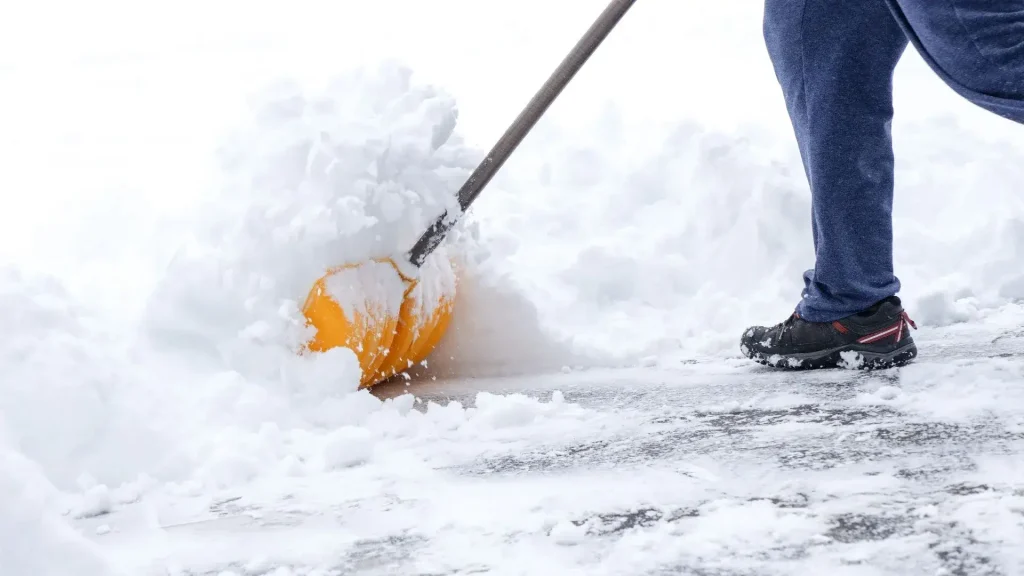
Introduction to Commercial Snow Removal Planning
Why a Commercial Snow Removal Plan Is Essential
A commercial snow removal plan provides a systematic approach to managing snow and ice during winter storms. Without a plan, businesses risk:
- Unsafe walkways and parking lots
- Delayed operations and lost revenue
- Increased liability from slip-and-fall incidents
- Higher long-term costs due to reactive snow management
Having a formal snow removal strategy ensures that snow and ice are addressed before they become a hazard, protecting both people and property.
Risks of Inadequate Snow Removal for Commercial Properties
Failing to plan for snow removal can have serious consequences, including:
- Legal liability for accidents on icy or snow-covered surfaces
- Damage to vehicles or landscaping during uncoordinated snow clearing
- Reduced accessibility for customers and employees
- Higher labor and equipment costs due to last-minute snow removal
A structured snow removal plan reduces these risks, ensures regulatory compliance, and provides peace of mind throughout the winter season.
Understanding Commercial Snow Removal Requirements
What Commercial Snow Removal Includes
Commercial snow removal encompasses more than just plowing snow. A comprehensive plan typically includes:
- Clearing parking lots, driveways, and access roads
- Removing snow and ice from walkways and entryways
- Applying de-icing materials such as salt or eco-friendly alternatives
- Maintaining safe egress for emergency vehicles
- Storing removed snow without disrupting traffic flow
How Snow Removal Needs Differ for Commercial Properties
Unlike residential snow removal, commercial properties face unique challenges:
- High foot and vehicle traffic requiring priority clearance
- Large surface areas, including parking lots, sidewalks, and loading docks
- Compliance with ADA standards and local safety regulations
- Potential business continuity issues if snow is not managed promptly
A commercial snow removal plan must address these complexities while staying within budget.
Assessing Your Property for Snow Removal Needs
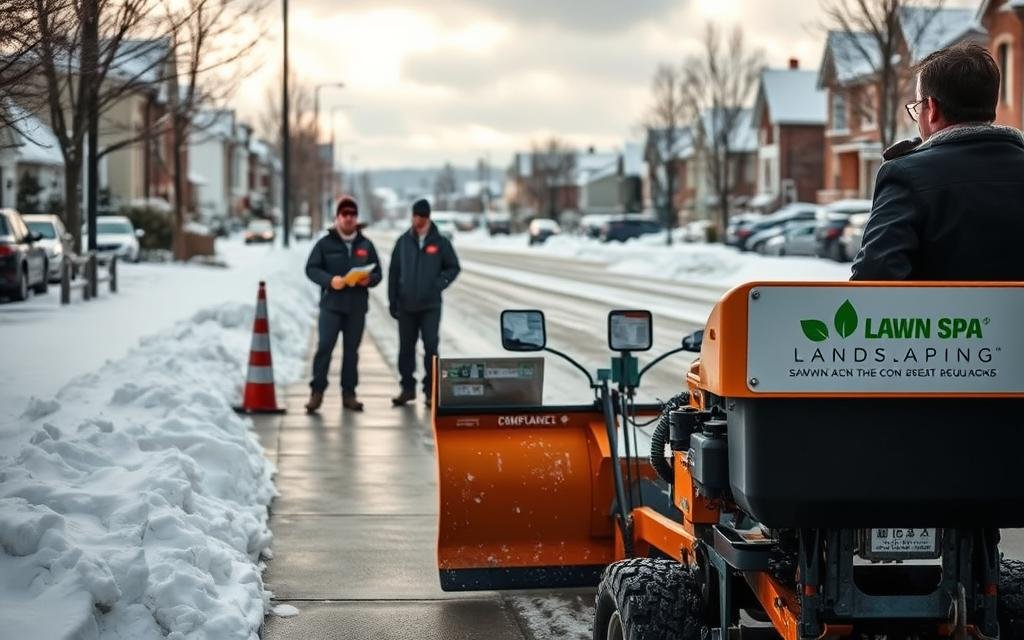
Identifying High-Traffic Areas for Snow Removal
Begin by mapping your property and identifying areas where snow removal is most critical, such as:
- Building entrances
- Employee and customer walkways
- Emergency exits
- Loading and unloading zones
Prioritizing these areas ensures that snow removal efforts focus on safety-critical zones first.
Evaluating Parking Lots, Walkways, and Loading Zones
Each type of surface may require different equipment and approaches. For example:
- Parking lots may need plows and snow blowers
- Walkways require hand shoveling or smaller machinery
- Loading zones need rapid snow removal for operational continuity
Evaluating each area helps allocate resources efficiently.
Recognizing Safety Hazards and Liability Risks
Identify potential hazards such as:
- Sloped surfaces prone to ice buildup
- Landscaping or curbs that could be damaged by plows
- Obstacles such as light poles, benches, and trash cans
Proper hazard identification informs both snow removal methods and safety protocols.
Setting Clear Snow Removal Goals and Standards
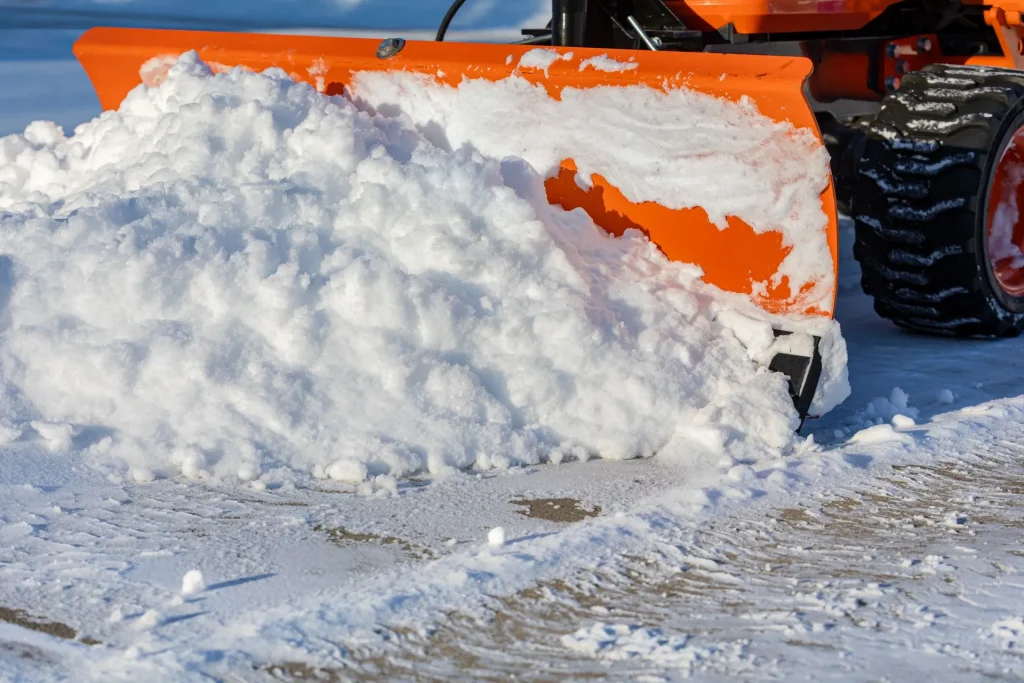
Establishing Snow Removal Trigger Depths
Determine the snow depth at which removal begins, such as:
- 2 inches for walkways
- 3–4 inches for parking lots
Defining thresholds ensures consistent snow removal and reduces confusion among staff or contractors.
Defining Acceptable Snow and Ice Conditions
Establish clear standards for:
- Maximum allowable snow or ice thickness before follow-up removal
- Desired walking and driving surface conditions
- Snow and ice treatment priorities
Determining Response Times for Snow Removal Services
Response times should be defined based on storm severity and property needs:
- Walkways: within 2 hours of snowfall
- Parking lots: within 4 hours
- Loading docks and access roads: as needed for operational continuity
Creating a Snow Removal Site Map
Marking Priority Snow Removal Areas
A detailed site map visually prioritizes:
- Primary access points
- Critical employee areas
- High-traffic customer zones
Identifying Snow Storage Locations
Designate snow storage areas that:
- Do not block access or visibility
- Comply with local regulations
- Allow for efficient removal and disposal
Highlighting Obstacles and Sensitive Areas
Map all obstacles to prevent damage during snow removal, including:
- Landscaping features
- Signage and light poles
- Utility boxes or drainage systems
Selecting the Right Snow Removal Equipment
Choosing Snow Removal Equipment for Property Size
The right equipment depends on property size and snow volume:
- Small lots: snow blowers or skid-steer attachments
- Large lots: plows, tractors, and front-end loaders
Plows, Snow Blowers, and De-Icing Equipment
Consider multiple tools for efficiency:
- Snow plows for large, flat areas
- Snow blowers for tight spaces and walkways
- Spreaders for sand, salt, or alternative de-icing materials
Backup Equipment for Snow Removal Operations
Having backup equipment ensures operations continue during equipment failure or heavy snowfall, reducing downtime and liability risk.
Staffing and Training for Snow Removal Operations
Assigning Roles and Responsibilities
Clearly define who is responsible for:
- Operating equipment
- Hand-shoveling walkways
- Applying de-icing materials
- Monitoring weather conditions
Training Staff on Safe Snow Removal Practices
Ensure all staff receive:
- Equipment operation training
- Slip-and-fall prevention techniques
- Emergency response protocols
Managing Labor for Overnight and Emergency Snow Removal
For severe storms, have a rotation plan to maintain coverage without overworking staff. Pre-scheduled shifts improve efficiency and morale.
Choosing Between In-House and Contracted Snow Removal
Pros and Cons of In-House Snow Removal
Pros: Immediate availability, direct oversight
Cons: High labor costs, equipment purchase and maintenance
Benefits of Hiring Professional Snow Removal Services
Pros: Expertise, insurance coverage, equipment access, reduced liability
Cons: Requires vendor selection and contract management
Evaluating Snow Removal Contractors
When hiring contractors, check for:
- Proven track record with commercial properties
- Insurance and liability coverage
- Availability during peak storms
- Compliance with local snow removal regulations
Developing a Snow Removal Schedule and Response Plan
Monitoring Weather and Snowfall Events
Use reliable weather monitoring services to anticipate snowfall and pre-position staff and equipment.
Planning Pre-Storm, During-Storm, and Post-Storm Snow Removal
A phased approach ensures efficiency:
- Pre-storm: de-icing or preventative measures
- During storm: plowing or snow blowing in intervals
- Post-storm: clearing residual snow, applying additional ice control
Coordinating Emergency Snow Removal Response
Have a clear emergency plan for:
- Heavy storms
- Equipment failure
- Staff shortages
Ice Management and De-Icing Strategies
Selecting De-Icing Materials for Snow Removal
Choose materials based on surface type and environmental impact:
- Rock salt for asphalt
- Calcium magnesium acetate for environmentally sensitive areas
- Sand for traction on icy surfaces
Environmentally Responsible Ice Control Methods
Consider methods that minimize runoff pollution, such as:
- Pre-wetting salt to reduce total usage
- Alternative, eco-friendly de-icers
Preventing Refreeze After Snow Removal
Apply de-icing chemicals strategically to prevent ice layers from forming after initial snow removal.
Snow Removal Safety and Risk Management
Reducing Slip-and-Fall Risks Through Proper Snow Removal
Maintain safe walking paths and clearly marked areas to reduce injuries.
Protecting Vehicles, Landscaping, and Infrastructure
Use snow removal techniques that minimize damage to property, curbs, and landscaping.
Worker Safety During Snow Removal Operations
Provide PPE, proper training, and safety protocols to prevent injuries during snow removal.
Compliance, Documentation, and Liability Protection
Understanding Local Snow Removal Regulations
Ensure compliance with:
- Municipal snow ordinances
- ADA accessibility requirements
- Environmental regulations
Documenting Snow Removal Activities
Keep logs of snow removal times, actions, and applied materials. This is essential for liability protection.
Protecting Your Business From Liability Claims
Proper documentation, compliance, and maintenance reduce legal exposure from slip-and-fall accidents.
Budgeting for Commercial Snow Removal
Estimating Snow Removal Costs
Factor in:
- Equipment acquisition and maintenance
- Labor costs for in-house staff or contractor fees
- Materials like salt, sand, or alternative de-icers
Managing Seasonal Snow Removal Budgets
Plan for peak storm events and maintain contingency funds for extreme weather.
Cost Benefits of Proactive Snow Removal Planning
Early investment in planning prevents expensive emergency services, liability claims, and operational downtime.
Reviewing and Improving Your Snow Removal Plan
Evaluating Snow Removal Performance After Each Storm
Conduct post-storm reviews to assess efficiency, response times, and effectiveness.
Updating the Snow Removal Plan for Future Seasons
Adjust your plan annually based on:
- Storm patterns
- Equipment performance
- Staffing needs
Communicating Changes to Staff and Contractors
Ensure all stakeholders understand updates to maintain smooth operations.
When to Hire Professional Snow Removal Services
Signs You Need a Dedicated Snow Removal Provider
- Large property or complex layout
- Frequent or severe snowstorms
- Lack of in-house equipment or trained staff
What to Look for in Commercial Snow Removal Services
- Experience with commercial properties
- Proper insurance and bonding
- 24/7 availability during storms
- Clear pricing and contracts
Long-Term Benefits of Professional Snow Removal
Hiring professionals ensures:
- Reliable snow removal
- Reduced liability and risk
- Optimized labor and equipment costs
Frequently Asked Questions About Commercial Snow Removal
How Early Should Snow Removal Begin During a Storm?
Snow removal typically starts once accumulation reaches trigger depths, often 2–4 inches, depending on property standards.
How Often Should Snow Removal Be Performed?
High-traffic areas may require multiple clearings during a storm, while less critical areas can be addressed post-storm.
What Areas Should Be Cleared First?
Prioritize:
- Main entrances and exits
- Emergency access routes
- High-traffic walkways and parking areas
Conclusion
Key Takeaways for Effective Commercial Snow Removal Planning
A strategic commercial snow removal plan ensures safety, regulatory compliance, and operational continuity while protecting your budget.
Creating a Reliable, Long-Term Snow Removal Strategy
Investing in planning, equipment, trained personnel, and professional snow removal services pays off in reduced liability, smoother operations, and cost savings over the long term. By reviewing, updating, and testing your snow removal plan regularly, commercial property owners can confidently manage snow and ice year after year.