How Pool Installation Works Step by Step
Thinking about adding a luxurious outdoor pool to your backyard? Learning about the pool installation process can prepare you. It ensures the project goes smoothly.
Pool installation is a detailed process. It includes planning, designing, excavation, and finishing touches. A professional team will help you at every step, making your dream pool a reality.
Once you sign the contract, you’ll get a custom schedule and detailed plan. This approach makes sure your pool installation is done right and on time.
Key Takeaways
- Customized planning for pool installation
- Professional guidance throughout the process
- Detailed schedule and plan provided
- Ensures a smooth execution of the project
- Personalized approach to meet client expectations
Understanding Pool Installation Basics
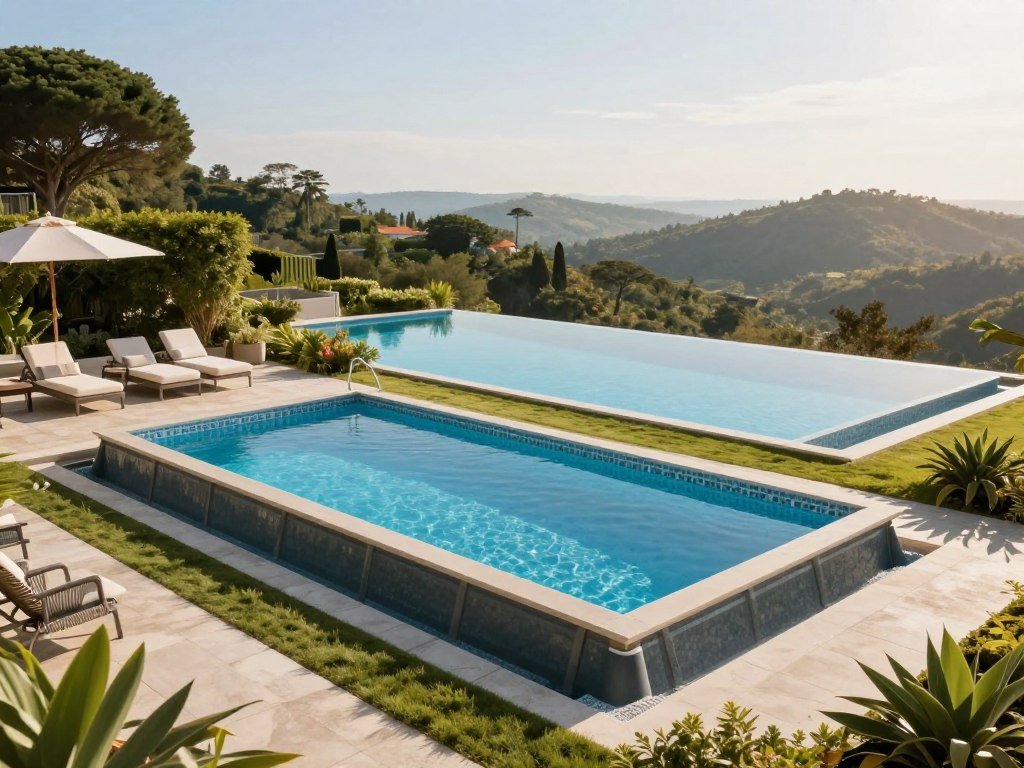
Starting a pool installation project requires knowing the basics. This includes understanding the different types of pools and the costs involved. Homeowners need to think about several factors before starting their pool project.
Types of Swimming Pools Available
The type of pool you choose affects the installation process. There are many options, like inground, above-ground, fiberglass, and concrete pools. Each has its own benefits and challenges.
- Inground Pools: These pools are customizable and look great, making them a favorite among homeowners.
- Above-Ground Pools: They are cheaper and easier to set up, making them a good choice for many.
- Fiberglass Pools: Known for being durable and easy to maintain, fiberglass pools are a smart pick.
- Concrete Pools: Concrete pools offer the most customization, perfect for those who want a unique pool.
Average Timeline for Complete Installation
The time it takes to install a pool varies. It depends on the pool type and project complexity. Generally, it can take from a few weeks to several months.
| Pool Type | Average Installation Time |
|---|---|
| Above-Ground Pool | 1-3 weeks |
| Fiberglass Inground Pool | 2-6 weeks |
| Concrete Inground Pool | 8-16 weeks |
General Cost Considerations
The cost of a pool installation depends on several factors. These include the pool type, materials, labor, and extra features. Knowing these costs helps with budgeting.
Key Cost Factors:
- Pool type and size
- Materials and equipment
- Labor costs
- Additional features (lighting, heating, etc.)
By understanding these factors, homeowners can estimate the total cost of their pool project.
Planning Your Pool Project
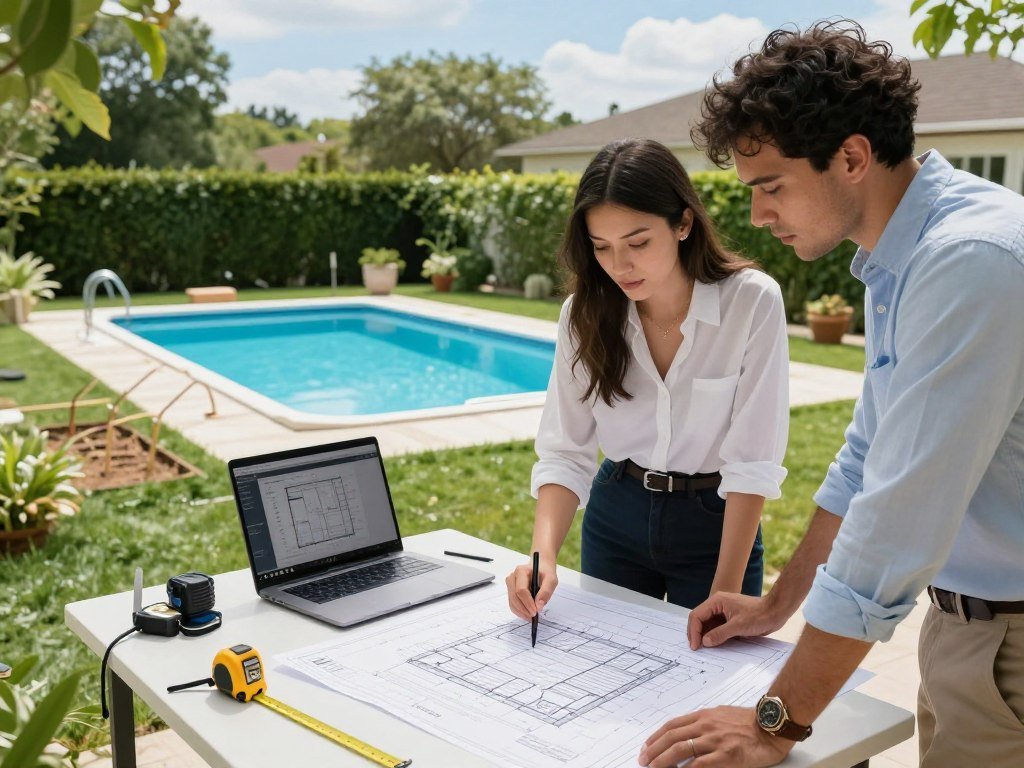
Starting your journey to a beautiful backyard pool requires careful planning. You need to consider several key factors. This ensures your pool project meets your needs, stays within budget, and follows local regulations.
Determining Your Pool Needs and Budget
First, assess your pool needs. Think about the size, shape, and features you desire. Your budget is also key in these decisions. It should cover not just the initial costs but also ongoing maintenance.
Consider how you’ll use your pool. Will it be for relaxation, entertainment, or fitness? The intended use affects the design and features. For instance, a lap pool might be longer and narrower than a family pool.
Selecting the Ideal Location
The location of your pool is very important. It should get the right sunlight and be easy to access. Consider your land’s layout and any obstacles, like trees or slopes, that could impact installation.
Also, think about the pool’s visibility from your main living areas. Choose a spot that improves your outdoor space and looks good.
Obtaining Necessary Permits and Approvals
Before starting, you must get the necessary permits and approvals. This means following local zoning laws and ensuring your pool respects property lines.
A professional pool installer can help you through this. They’ll guide you through the regulatory process and get the required permits.
- Research local building codes and regulations.
- Submit plans for approval.
- Schedule inspections as required.
Site Evaluation and Preparation
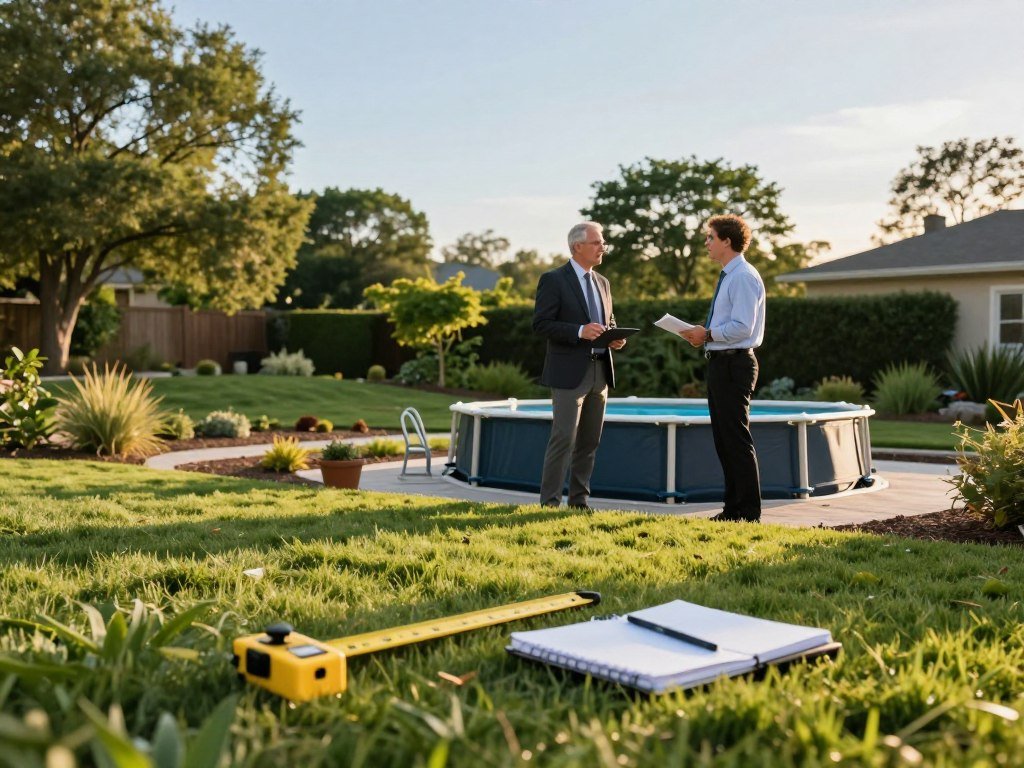
Before starting a pool installation, a thorough site assessment is key. It helps spot any problems early. This step is vital for a smooth, efficient, and safe installation.
Professional Site Assessment
Experts evaluate the yard’s shape, drainage, and features to find the best pool spot. They use special tools to survey the land.
The key elements of a professional site assessment include:
- Topographic analysis
- Drainage evaluation
- Assessment of existing features
Soil Testing and Ground Preparation
Soil testing is essential. It shows the soil’s type and stability. This info helps choose the right pool and prepare the ground.
The table below shows different soil types and their traits:
| Soil Type | Characteristics | Pool Installation Considerations |
|---|---|---|
| Clay | High density, poor drainage | May need extra drainage solutions |
| Sand | Low density, good drainage | May need stabilization |
| Loam | Balanced composition, moderate drainage | Generally good for most pool types |
Utility Line Identification and Management
Finding and handling utility lines is key in site prep. It means finding and marking lines to avoid damage during digging.
The steps involved in utility line identification and management include:
- Contacting local utility companies to identify existing lines
- Using specialized equipment to locate and mark utility lines
- Creating a plan to manage and protect utility lines during digging
Pool Installation Process Step by Step
Getting a beautiful backyard pool starts with knowing the installation steps. This detailed process has many important stages. It makes sure your pool works well and looks great.
Excavation and Ground Preparation
The first big step is excavation. This is where the ground is dug out based on the pool design. It’s a key part of the project.
After digging, the ground is made level and solid. This means removing dirt and roots, and then making the soil firm. This creates a strong base for the pool.
Structural Framework Installation
Next, the structural framework of the pool is set up. For concrete pools, this means putting in the rebar that holds the concrete. Fiberglass pools have a pre-made shell that’s placed in the hole.
The framework is very important. It shapes the pool and makes it last longer. It must be installed right for the pool to last.
Plumbing and Electrical Setup
With the framework in, the next step is plumbing and electrical setup. This includes putting in water pipes and electrical wiring for lights and more.
Installing plumbing and electrical systems right is key for the pool’s safety and efficiency. It needs careful planning and doing to meet safety rules.
Knowing these steps helps homeowners see the skill and effort in making their backyard pool.
Installing Different Pool Types
Choosing the right pool type changes how you install it. Each pool material and design needs its own way of building. This affects both the setup and upkeep over time.
In-Ground Concrete Pool Installation
In-ground concrete pools are tough and can be made to fit your yard perfectly. First, you dig the area, then build the pool shell with concrete. Lastly, you finish it with plaster or tile.
These pools last a long time and can be shaped any way you want. But, they cost a lot upfront and take longer to set up than others.
Fiberglass Pool Installation
Fiberglass pools come as a pre-made shell that’s dropped into a hole. They’re fast to install and easy to keep up. The shell is made elsewhere and then put in the hole.
These pools have a smooth surface that fights algae. They’re not as flexible as concrete but are cheaper and quicker to install.
Vinyl Liner Pool Installation
Vinyl liner pools have a steel or polymer wall with a vinyl liner inside. You dig the site, build the wall, and put in the liner. They’re affordable and quick to set up.
Vinyl liner pools are great for those on a budget. They’re not as long-lasting as concrete or fiberglass but are safe and comfy for swimming.
Pool Equipment and Systems Setup
Setting up your pool equipment and systems is key to a great swimming experience. It’s important to choose the right filtration system, heating system, and lighting. These choices affect how well your pool works and how it looks.
When picking a filtration system, think about how big your pool is and how often you use it. A good system keeps the water clean and clear. It also helps your pool equipment last longer.
Heating systems are important for enjoying your pool all year. You can choose between solar, heat pumps, or gas heaters. Each has its own benefits and costs. Think about how much you want to spend and how often you’ll use your pool.
Lighting makes your pool look amazing at night. You can choose from different colors and styles. It’s also important to think about how easy it is to install and maintain.
Pool equipment and systems need regular maintenance to work well. This includes cleaning filters, checking the heater, and making sure the lighting works. A good maintenance routine keeps your pool running smoothly.
Setting up your pool equipment and systems is a big job. But with the right choices and regular maintenance, you’ll have a great pool to enjoy all year.
Finishing Touches and Landscaping
The final stages of your pool project add beauty and function to your outdoor living area. This phase is key. It turns your pool into a stunning and useful space that matches your home.
Deck and Patio Construction
Building a deck or patio is a big part of finishing your pool project. A good deck or patio makes your pool area look better and provides a safe place for fun and relaxation. You can choose from wood, composite, or stone for your deck or patio, based on what you like, your budget, and your outdoor space’s design.
Pool Coping and Tile Work
Pool coping and tile work are key for your pool’s look and safety. The coping is the top edge of the pool, and the tile work is around the pool and waterline. Picking the right materials and design for these is important for a nice look and durability.
Surrounding Landscape Design
The landscape around your pool is very important. A good landscape makes your pool look better, creates a calm atmosphere, and can even increase your property’s value. Think about the plants, hardscaping, and lighting you’ll use to make your outdoor space welcoming and beautiful.
| Element | Description | Considerations |
|---|---|---|
| Deck Construction | Enhances visual appeal and provides a safe space | Material choice, budget, design |
| Pool Coping | Caps the edge of the pool shell | Material, durability, aesthetics |
| Landscape Design | Integrates pool area with outdoor space | Plant selection, hardscaping, lighting |
Post-Installation Procedures
After your pool is installed, it’s important to focus on a few key steps. These steps will keep your pool safe and working well. They help maintain the quality and safety of your pool.
Water Chemistry Balancing
Getting the water chemistry right is a must before you start swimming. You need to test and adjust the pH, alkalinity, and calcium hardness. Good water chemistry keeps swimmers happy and your equipment running long.
The pH should be between 7.2 and 7.8. Alkalinity should be 80 to 120 ppm, and calcium hardness should be 200 to 400 ppm. Regular checks and tweaks will keep the water perfect.
Final Inspections and Approvals
Final inspections are key to making sure everything is up to standard. You’ll check the pool, equipment, and the area around it for any problems.
A good inspection finds issues early, so you can fix them fast. It’s also needed to get the necessary approvals and certifications from local authorities.
Owner Education and Maintenance Training
Teaching the pool owner how to maintain it is very important. You’ll show them how to clean the pool, check the equipment, and keep an eye on the water chemistry.
Teaching the owner how to care for their pool is key to keeping it safe and fun. It’s also a chance to talk about any special care needs for their pool.
Conclusion
Installing a pool is a big deal that needs careful planning. Homeowners can get ready for the project and enjoy their pool for many years.
A successful pool installation has many stages, from planning to landscaping. This guide shows each step is key to a beautiful backyard oasis.
Planning well ensures the pool meets your expectations. Think about the pool type, equipment, and landscape design. This way, you can create a unique and fun outdoor space.
When you’re done with the pool installation, check the progress. Make sure everything is done right. This guide shows why paying attention to detail is important.
With the right care, your pool will bring joy for years. It will be worth the investment for you and your family.