
How to Choose Native Plants for Sustainable Landscaping
Choosing native plants is key to a sustainable landscape design. It makes your property look better and helps the local ecosystem. Native plants fit well with the local climate and soil, so they’re easier to care for.
By picking native plants, you and commercial landscaping companies near me can use less water, fertilizers, and pesticides. This reduces harm to the environment. Native plants also help local wildlife by providing a home and keeping nature balanced.
Key Takeaways
- Native plants are adapted to local climate and soil conditions.
- They reduce the need for excessive watering, fertilizers, and pesticides.
- Native plants support local biodiversity and ecosystems.
- They provide a habitat for native wildlife.
- Using native plants minimizes environmental footprint.
The Benefits of Native Plants in Sustainable Landscaping
Using native plants in landscaping is a smart choice. It saves water and helps local wildlife. These plants fit well with the local climate and soil.
Environmental Advantages of Native Plant Species
Native plants are good for the environment. They save water, support wildlife, and improve soil quality.
Water Conservation Benefits
Native plants need less water. This saves water resources.
Wildlife Habitat Support
They offer food and shelter for local animals. This boosts biodiversity.
Economic Benefits of Sustainable Landscaping
Sustainable landscaping with native plants saves money. It lowers maintenance costs and water bills.
Reduced Maintenance Costs
Native plants need less care. They require less pruning and fertilizing.
Lower Water Bills and Resource Usage
They use less water. This cuts down on water bills and saves resources.
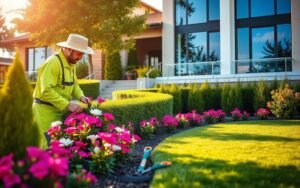
Aesthetic Value of Native Plants
Native plants also make landscapes look better. They add interest and beauty all year.
Seasonal Interest and Visual Appeal
They change with the seasons. This adds color and texture to landscapes.
Regional Character and Sense of Place
Using native plants creates a unique look. It adds a sense of place to landscapes.
| Benefits | Description |
|---|---|
| Water Conservation | Native plants are drought-tolerant, reducing water consumption. |
| Wildlife Support | Native plants provide habitat and food for local wildlife. |
| Economic Savings | Reduced maintenance and water bills. |
For sustainable landscaping, talk to commercial landscaping companies near me. Find experts in native plant landscaping.
Assessing Your Landscape Needs and Conditions
Before picking native plants, it’s key to know your landscape’s needs and conditions. This helps create a garden that’s both sustainable and thriving.
Evaluating Soil Type and Quality
Soil type and quality are key to a successful native plant garden. You can test your soil with DIY soil testing methods or professional soil analysis options.
DIY Soil Testing Methods
- Use a soil testing kit to check pH levels
- Do a simple jar test to see soil composition
- Look at soil structure and how it drains
Professional Soil Analysis Options
For a detailed analysis, think about hiring a professional soil testing service. They can tell you about your soil’s nutrients, pH levels, and more, all important for plant growth.
Determining Sun Exposure and Moisture Levels
Knowing about sun exposure and moisture is key for picking native plants that will do well in your garden.
Mapping Sun Patterns Throughout the Day
Watch your garden at different times to see sun patterns. This helps you find areas that get full sun, partial shade, or full shade.
Identifying Natural Drainage Areas
Notice where water collects or drains quickly. This info helps you pick plants that fit those conditions.
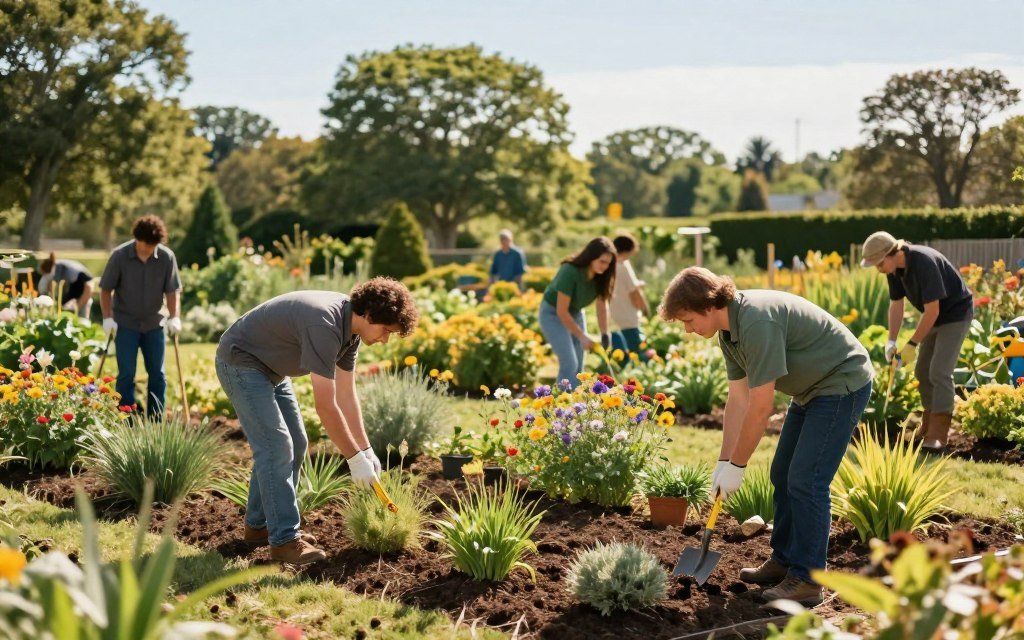
Identifying Existing Ecosystem Elements
Take stock of your garden’s ecosystem elements to make a harmonious and sustainable landscape.
Taking Inventory of Current Vegetation
- Make a list of your garden’s plants
- Find invasive species that need to be removed
Noting Wildlife Activity
Watch the wildlife visiting your garden. This helps you choose native plants that support local biodiversity.
When you’re ready to start your sustainable landscaping, consider talking to commercial landscaping companies. They specialize in native plant landscaping.
Researching Native Plants for Your Region
To make a landscape that lasts and looks great, you need to find native plants that fit your area’s climate and soil. It’s important to know what your landscape needs and find plants that do well there.
Resources for Identifying Local Native Species
There are many ways to find native plants for your area. Online databases and plant finders are great for finding plants that match your location and landscape.
Online Databases and Plant Finders
Websites like the USDA’s PLANTS Database and plant finders from native plant societies have lots of native plants. You can filter by state, soil type, and sunlight. This makes it easier to pick the right plants for your yard.
Local Extension Offices and Native Plant Societies
Local extension offices and native plant societies are also great resources. They offer advice on choosing and caring for plants. They also have workshops and events. Working with a landscaping company that knows native plants can help make your yard more sustainable.
Understanding Plant Hardiness Zones in the United States
Plant hardiness zones are key when picking native plants. The USDA Plant Hardiness Zone Map shows which plants will do well in your area. It’s based on the coldest temperature each year.
USDA Zone Map Interpretation
Knowing your hardiness zone helps you pick plants that fit your climate. This makes your yard more resilient and needs less care.
Microclimate Considerations
It’s also important to think about microclimates in your yard. Things like sunlight, soil moisture, and wind can affect how plants grow.
Seasonal Considerations for Native Plant Selection
Choosing native plants that look good all year and help local wildlife is key. This makes your yard lively and interesting all the time.
Creating Year-Round Visual Interest
By picking plants that bloom at different times, your yard will always look great. This keeps it interesting all year.
Planning for Succession Blooming
Planning for plants to bloom in sequence means your yard will always have something beautiful. This also helps pollinators and keeps your yard interesting.
If you want to do big landscaping projects, commercial landscaping companies experts can help. They offer expert advice and services for businesses.
Creating a Sustainable Landscaping Plan
A good sustainable landscaping plan makes outdoor spaces better and helps local ecosystems. It uses ecological principles, supports local wildlife, and keeps the landscape interesting all year.
Designing with Ecological Principles in Mind
Designing with ecological principles means knowing the local ecosystem and picking plants that do well there. It’s about choosing plant communities and associations that fit the area naturally.
Plant Communities and Associations
Plant communities are groups of plants that grow together in a certain place. Knowing these helps pick the right plants for your landscape.
Layering Vegetation for Ecosystem Function
Layering vegetation means having different plants in your landscape, from groundcovers to trees. This diversity helps the ecosystem and boosts biodiversity.
Incorporating Wildlife Habitat Features
Adding features that help local wildlife is key for a sustainable landscape. This includes bird and pollinator support elements like native flowers and shrubs.
Bird and Pollinator Support Elements
Things like bird feeders, bird baths, and pollinator gardens attract many animals. They make the landscape more valuable for wildlife.
Water Features and Shelter Options
Water features, like ponds or rain gardens, and shelter like native plants or rock piles, help many animals.
Planning for Year-Round Visual Interest
To keep the landscape interesting all year, plan for seasonal changes. Think about seasonal color and texture and how to keep things interesting in winter.
Seasonal Color and Texture Considerations
Picking plants with different colors and textures for each season keeps the landscape looking good all year.
Winter Interest Strategies
Using plants with interesting winter features, like berry-bearing shrubs or trees with nice bark, keeps the landscape interesting in winter.
By using these strategies, a sustainable landscaping plan can improve outdoor spaces and help local ecosystems. For help with such a plan, consider talking to commercial landscaping companies near me or a professional landscaper.
Selecting Native Trees for Sustainable Landscaping
Sustainable landscaping uses native trees for shade, cleaner air, and wildlife support. These trees are key to a balanced ecosystem. They make landscapes look good and help the environment.
Shade-Providing Native Tree Options
Native trees give a lot of shade, cutting down on air conditioning use. This saves energy. Here are some examples:
- Large Canopy Trees like oak and maple save energy.
- Understory Trees for layered looks, such as dogwood and redbud.
Ornamental Native Trees for Visual Impact
Ornamental native trees make landscapes beautiful all year. Think about:
- Spring Flowering Varieties like cherry blossoms and apple trees.
- Fall Color Standouts such as sugar maples and hickories.
Considerations for Tree Placement and Growth
When planting native trees, think about their size and root needs. Also, check if they fit with your current setup.
- Mature Size and Root Space Requirements: Make sure trees have room to grow without hitting buildings or power lines.
- Infrastructure Compatibility Concerns: Watch out for how tree roots might harm nearby structures, like septic systems or pavement.
Choosing and placing native trees wisely can improve your landscape and help local ecosystems. For help, talk to commercial landscaping companies near me. They can make your outdoor space both sustainable and stunning.
Choosing Native Shrubs and Groundcovers
Adding native shrubs and groundcovers to your garden helps local wildlife and saves water. These plants fit well with the local climate and soil. They are perfect for gardens that want to be kind to the environment.
Versatile Native Shrubs for Different Landscape Functions
Native shrubs can do many things in a garden. They can be part of the foundation planting or offer food for animals. Foundation planting options like native shrubs make a beautiful, easy-to-care-for border around your house.
Foundation Planting Options
For foundation planting, think about using American Beautyberry or Buttonbush. These shrubs look great and help local wildlife.
Berrying Shrubs for Wildlife
Berrying shrubs like Winterberry Holly and Chokeberry are great for wildlife. They add to your garden’s ecological value by providing food.
Native Groundcovers for Erosion Control
Native groundcovers are good for stopping erosion. They can help stabilize slopes or be a low-maintenance lawn alternative. Slope stabilization solutions like Creeping Thyme or Wild Strawberry keep soil in place on slopes.
| Native Groundcover | Erosion Control | Maintenance Level |
|---|---|---|
| Creeping Thyme | High | Low |
| Wild Strawberry | Medium | Medium |
If you need help with landscaping, including using native plants, consider getting help from local companies. They can offer specialized services for your garden.
Incorporating Native Perennials and Grasses in Your Landscaping
Adding native perennials and grasses to your landscape is smart. They fit well with local weather, need less care, and help the environment.
Pollinator-Friendly Native Flowering Plants
Native flowers are key for local pollinators. They give bees, butterflies, and others the nectar and pollen they need to live.
Spring and Summer Bloomers
Plants like coneflowers and black-eyed Susans bloom in spring and summer. They’re not just pretty; they feed local wildlife too.
Late-Season Nectar Sources
Asters and goldenrods bloom late. They offer nectar when other flowers stop. This keeps pollinators fed all season.
Drought-Resistant Native Grass Options
Native grasses need little water and are great for saving water in your garden.
Ornamental Bunch Grasses
Grasses like little bluestem add texture and move in the wind. They also need very little water.
Prairie Grasses for Larger Spaces
Prairie grasses are perfect for big areas. They make a stunning, natural landscape that’s also good for the planet.
Creating Meadow Gardens with Native Species
Meadow gardens with native plants are beautiful and good for wildlife. They also need less upkeep.
Small-Scale Meadow Installation Techniques
Even small spaces can have meadow gardens. It’s all about choosing the right native plants and designing well.
Meadow Maintenance Requirements
Keeping a meadow garden means mowing, removing weeds, and sometimes reseeding. Doing this right keeps your meadow looking great for years.
Using native plants in your garden makes it sustainable and lovely. For help, talk to local landscaping pros. They can make your garden look its best.
Working with Commercial Landscaping Companies Near Me
To reach your sustainable landscaping goals, team up with skilled commercial landscaping companies in your area. They bring expertise in native plants, landscape design, and setup.
Finding Specialized Native Plant Landscaping Services
When looking for a landscaping company, focus on those who specialize in native plants. This ensures they know how to handle your project well.
Researching Local Sustainable Landscaping Experts
Begin by researching local landscaping firms that focus on sustainable practices and native plants. Use online reviews, ask friends or family, and check professional associations for help.
Verifying Ecological Credentials and Experience
It’s important to check the ecological credentials and experience of landscaping companies. Look for certifications like the National Association of Landscape Professionals (NALP) or local ecological group memberships.
Questions to Ask When Hiring Professional Landscapers
When hiring landscapers, ask the right questions to find the best fit for your project. Here are some key questions:
- What experience do you have with native plant landscaping?
- Can you show examples of your sustainable landscaping projects?
- What sustainable practices do you use in your work?
Native Plant Knowledge Assessment
Check if the company knows about native plants for your area. They should suggest plants that are not only pretty but also good for the local ecosystem.
Sustainable Practices Verification
Make sure the company uses sustainable practices. This includes organic fertilizers, saving water, and less chemical use.
Collaborating Effectively with Landscaping Professionals
Working well with your chosen landscaping company is key to success. This means clear communication of your goals and what you expect.
Communicating Your Sustainability Goals
Tell the landscaping professionals about your sustainability goals and what you expect. This helps them understand your vision and work towards it.
Establishing Maintenance Protocols
Work with your landscaping company to set up maintenance plans. These plans help keep your landscape healthy and sustainable over time.
Here’s a comparison of key factors to consider when choosing a commercial landscaping company:
| Factor | Importance | Considerations |
|---|---|---|
| Experience with Native Plants | High | Look for companies with a proven track record of working with native plant species. |
| Sustainable Practices | High | Ensure the company follows environmentally friendly practices. |
| Certifications and Credentials | Medium | Check for relevant certifications and memberships in professional organizations. |
| Maintenance Services | Medium | Consider companies that offer ongoing maintenance services to support your landscape’s long-term health. |
Implementing and Maintaining Your Native Plant Landscape
To create a thriving native plant landscape, you need to know how to plant and care for it. This means choosing the right plants and taking good care of them.
Proper Planting Techniques for Native Species
Planting native plants right is key to a successful landscape. You must think about when to plant and how to care for them during the first few months.
Timing Considerations for Installation
When you plant native species, timing matters a lot. Fall or early spring are best because the weather is mild and there’s plenty of water.
Establishment Care Guidelines
After planting, your new plants need the right care. This includes watering, mulching, and keeping weeds away to help them grow strong.
Sustainable Maintenance Practices
Keeping your native plant landscape healthy for years means using eco-friendly maintenance. This includes using less water and chemicals, and pruning wisely.
Reduced Water and Chemical Usage
Native plants need less water and chemicals than others. Using less water and avoiding harmful chemicals helps protect the environment.
Strategic Pruning and Cleanup Approaches
Pruning and cleaning are important for your plants. Pruning keeps them looking good, and cleaning helps the ecosystem.
Managing Invasive Species Challenges
Stopping invasive species is key to a healthy native plant landscape. You need to know which plants are invasive and how to control them.
Identification of Common Invasives
First, you must know which plants are invasive. Plants like kudzu, Japanese stiltgrass, and tree-of-heaven are common invaders.
Organic Control Methods
To control invasive species, use organic methods. This includes pulling them out, mowing, and using specific herbicides. Working with commercial landscaping companies near me can help you manage invasives effectively.
| Maintenance Task | Frequency | Benefits |
|---|---|---|
| Watering | Regularly during establishment | Promotes healthy root development |
| Mulching | Annually | Reduces weed competition and retains moisture |
| Pruning | Seasonally | Maintains plant health and appearance |
Conclusion: Embracing Sustainable Landscaping for Long-Term Benefits
Choosing sustainable landscaping is key to making outdoor spaces beautiful and useful. Using native plants in your design cuts down on upkeep, boosts biodiversity, and helps the ecosystem.
Not only does sustainable landscaping make your home look better, but it also makes the environment healthier. You can team up with local landscaping companies to make your space green. They can help pick the best native plants and design your landscape.
Going green with your landscaping makes your outdoor area both pretty and good for the planet. As more people want eco-friendly yards, it’s important to focus on sustainable methods. Working with experts who care about the environment is a smart move.