How to Design a Backyard Hardscape Layout on a Budget
Designing a backyard hardscape layout is one of the most effective ways to elevate your outdoor space, improve functionality, and increase property value. While hardscaping is often associated with large-scale, high-cost projects, the reality is that with proper planning and informed decisions, you can achieve a refined, durable hardscape design while staying within a defined budget.
This guide is tailored for homeowners who already have a clear budget in place and want to maximize their investment. You’ll learn how to plan strategically, choose cost-effective materials, and decide when professional hardscaping services are worth the expense—all without compromising quality or aesthetics.
Introduction
Hardscape design plays a critical role in backyard landscaping because it defines how outdoor spaces are used and experienced. Unlike plants and lawns, hardscape elements provide structure, durability, and year-round usability.
Designing a hardscape on a budget doesn’t mean cutting corners. Instead, it means prioritizing function, selecting materials wisely, and making design choices that offer long-term value. A well-executed budget-conscious hardscape can look just as polished and intentional as a premium project.
In this post, you’ll learn how to design a backyard hardscape layout that aligns with your budget, supports your lifestyle, and enhances your property without unnecessary overspending.
What Is Hardscape and Why It’s Important
Before planning begins, it’s important to understand what is hardscaping and how it differs from traditional landscaping.
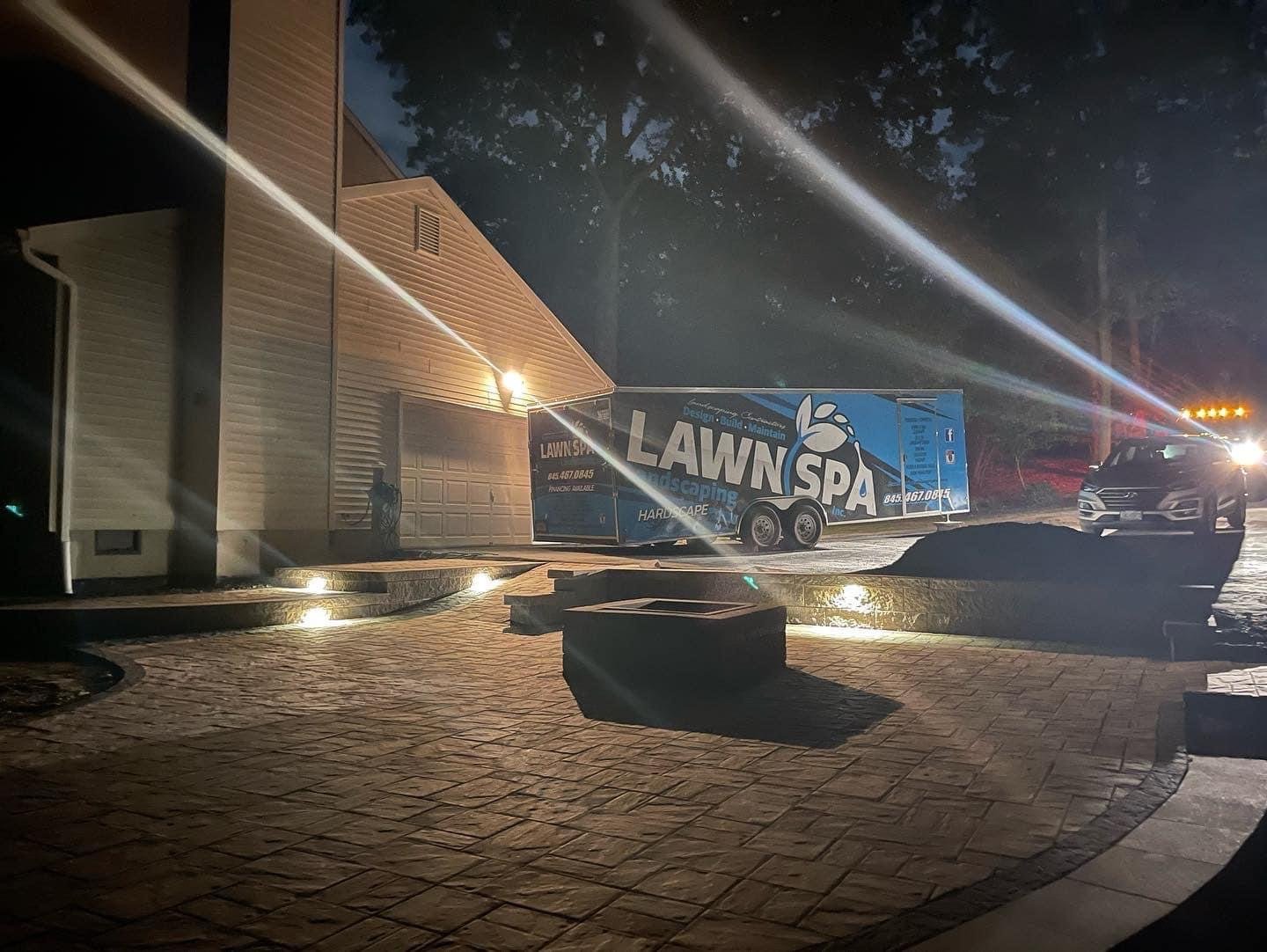
Hardscape refers to the non-living elements of an outdoor space. This includes patios, walkways, retaining walls, fire pits, steps, seating areas, and other built features. Softscape, by contrast, includes plants, grass, soil, and organic materials.
Hardscaping is essential because it:
- Creates usable outdoor living areas
- Improves accessibility and flow
- Reduces long-term maintenance
- Enhances drainage and erosion control
- Increases overall property value
A thoughtful hardscape layout improves how your backyard functions while providing a strong visual foundation for landscaping elements.
Planning Your Backyard Hardscape Layout
Successful hardscaping begins with careful planning.
Assessing Your Backyard Space and Needs
Start by evaluating the size, shape, slope, and existing features of your yard. Identify areas that already work well and those that need improvement.
Defining the Purpose
Determine how the space will be used. Common goals include:
- Outdoor entertaining and dining
- Relaxation and quiet seating
- Family-friendly or pet-friendly use
- Pathways for accessibility and flow
Clear goals help prevent unnecessary features that inflate costs.
Measuring and Sketching a Layout
Accurate measurements are essential. Create a basic sketch showing hardscape elements, circulation paths, and focal points. This helps you visualize scale and avoid costly design changes later.
Setting a Realistic Budget and Priorities
With an established budget, prioritize elements that provide the most value. Allocate funds first to structural features such as patios, walkways, and retaining walls, then plan secondary features if the budget allows.
Budget-Friendly Hardscape Design Tips
Design efficiency is one of the most powerful cost-control tools.
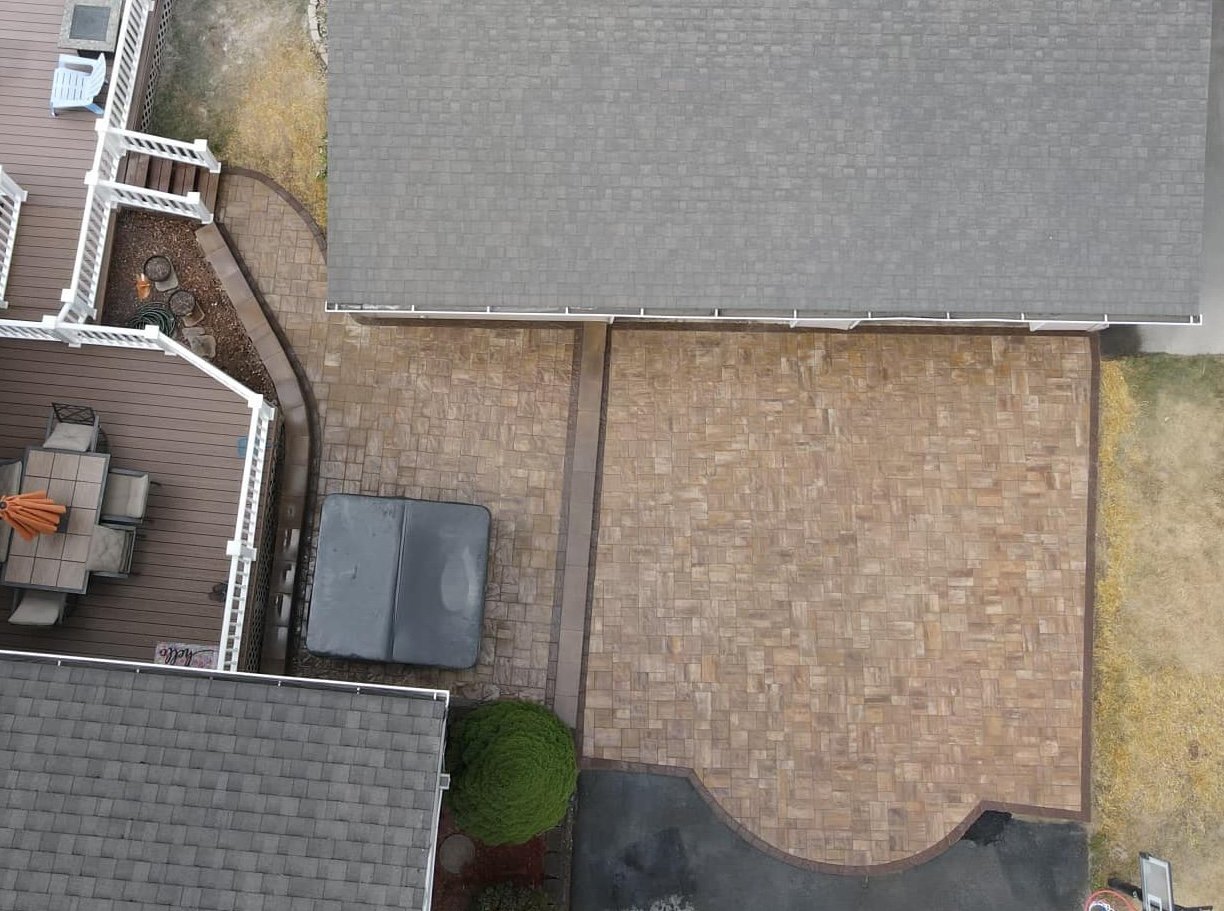
- Keep the layout simple and functional: Clean, straightforward designs require less labor and fewer materials.
- Use straight lines and minimal materials: Curves, mixed materials, and complex patterns increase installation costs.
- Design with existing features: Work with natural slopes, trees, and structures instead of removing them.
- Plan for phased construction: Completing the project in stages allows you to spread costs over time without sacrificing the final vision.
These strategies help ensure your hardscape remains cohesive and cost-effective.
Affordable Hardscape Materials to Consider
Material selection significantly impacts both upfront and long-term costs.
Concrete Pavers
Concrete pavers offer versatility, durability, and visual appeal at a reasonable price. They are ideal for patios and walkways and can mimic more expensive materials.
Gravel and Decomposed Granite
These materials are among the most budget-friendly options for paths, patios, and seating areas. They install quickly and allow for excellent drainage.
Poured Concrete
Poured concrete is one of the most economical hardscaping materials. With proper finishing, it can achieve a modern, clean look.
Reclaimed or Recycled Materials
Reclaimed brick, stone, or concrete can significantly reduce material costs while adding character to your hardscape.
Cost vs. Durability
Always evaluate materials based on lifespan and maintenance—not just initial price. Investing slightly more upfront can reduce repair and replacement costs later.
DIY Hardscaping Ideas to Save Money
DIY hardscaping can be a smart way to stretch your budget when applied selectively.
- Walkways and stepping-stone paths are manageable DIY projects with proper preparation.
- Small patios or seating areas can be installed using modular pavers or gravel.
- Fire pits and garden edging are affordable projects that add high visual impact.
However, DIY is not always the most cost-effective solution. Improper installation can lead to drainage problems, uneven surfaces, and costly repairs.
When to Hire a Hardscaping Contractor
Certain projects are best handled by professionals.
Projects Best Suited for Professionals
- Retaining walls
- Drainage and grading
- Large patios or multi-level hardscapes
- Structural elements requiring permits
A qualified hardscaping contractor ensures proper base preparation, drainage, and structural integrity.
How Hardscaping Services Can Save Money
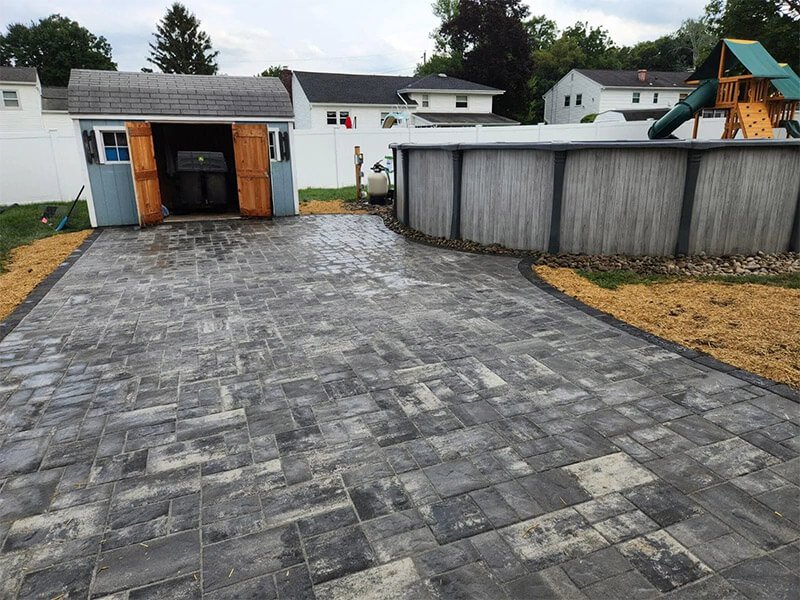
Professional hardscaping services often prevent costly mistakes and may have access to discounted materials. Experienced hardscaping companies also complete projects efficiently, reducing labor overruns.
Hiring Tips
- Request multiple quotes
- Ask for itemized estimates
- Confirm timelines and warranties
- Choose contractors with proven experience
Combining Hardscape With Low-Cost Landscaping
A balanced backyard blends hardscape with cost-effective softscape elements.
- Native and drought-tolerant plants reduce water and maintenance costs
- Xeriscaping minimizes irrigation needs while enhancing aesthetics
- Reducing lawn areas lowers ongoing maintenance expenses
Greenery softens hardscape elements and enhances overall visual appeal.
Sustainable and Cost-Saving Practices
Sustainable choices often align with budget-friendly design.
- Composting improves soil health without expensive fertilizers
- Reusing materials already on-site reduces waste and costs
- Water-efficient irrigation systems lower long-term utility expenses
These practices protect both your investment and the environment.
Affordable Patio and Outdoor Living Ideas
You don’t need high-end features to create an inviting outdoor space.
- Gravel patios and modular layouts offer flexibility
- Budget-friendly outdoor furniture allows easy updates
- DIY seating and shade structures reduce installation costs
- Solar or LED lighting provides ambiance without high energy use
Maintenance Tips to Protect Your Hardscape Investment
Proper maintenance preserves appearance and performance.
- Control weeds early
- Maintain proper drainage
- Reseal surfaces as needed
- Inspect seasonally for settling or erosion
Preventive care avoids expensive repairs.
Common Hardscaping Mistakes to Avoid
Avoid these costly missteps:
- Skipping base preparation
- Choosing materials based only on appearance
- Ignoring drainage and slope considerations
- Overdesigning beyond budget constraints
Smart planning prevents rework and wasted expenses.
Frequently Asked Questions (FAQ)
What is the cheapest hardscape material?
Gravel and decomposed granite are typically the most affordable.
Can I do hardscaping myself?
Yes, for small projects. Structural or drainage-related work should be handled by professionals.
How long does hardscape last?
With proper hardscape installation and maintenance, hardscape features can last decades.
Does hardscaping increase home value?
Yes. Well-designed hardscaping improves curb appeal, usability, and resale value.
Conclusion
Designing a backyard hardscape layout on a budget is about making informed, strategic decisions—not sacrificing quality. By planning carefully, choosing durable materials, and knowing when to rely on professional hardscaping companies like Lawn Spa Landscaping, homeowners can create a functional, attractive outdoor space that delivers lasting value.
With a clear vision and disciplined budget management, your backyard can become a refined extension of your home—proof that thoughtful hardscaping is an investment worth making.