
How To Design A Fence That Complements Your Home
Think of your fence as your home’s opening statement — it should be strategic, well-crafted, and unmistakably welcoming. Good fence design blends practical needs (privacy, security, boundary marking) with curb appeal, using the right materials and details to match your house’s style.

While the word “fencing” may evoke sport or history, modern fencing for your property focuses on materials, proportions, and function—just like a skilled fencer balances technique and timing. Whether you want traditional picket charm, a sleek horizontal board, or a durable metal fence, the right choices create harmony between landscape and home.
Ready to explore fencing ideas or get a local quote? Search for a trusted fencing company near me to compare designs, timelines, and fence installation cost estimates — and schedule a free site visit to see what works best for your property.
Key Takeaways
- Choose the right material first: wood for warm, classic looks; metal (wrought iron or steel) for strength and style; vinyl/composite for low maintenance.
- Design impacts function — picket and decorative fences boost curb appeal, privacy fences improve seclusion, and pool or security fences focus on safety and code compliance.
- Typical fence installation cost varies by material and region; get quotes from a local fencing company near me to compare per-linear-foot pricing and timelines.
- Permits, setbacks, and HOA rules can change your plan — check local rules early to avoid delays.
- Maintenance schedules differ: wood needs staining or sealing every few years, metal may need rust protection, and vinyl usually requires only occasional cleaning.
- Temporary construction fencing keeps a worksite safe during installation or for short-term projects.
- Look for licensed, insured contractors with a portfolio of fencing ideas to match your home’s style.
Introduction to the Basics of Residential Fencing
Designing a fence starts with answering three simple questions: What do you want it to do (privacy, security, or decoration)? What material matches your budget and maintenance preference? And what style complements your home and landscape?
Practical fencing blends aesthetic choices with local rules and installation realities. A good fencing company will help you balance those factors, provide realistic fence installation cost estimates, and suggest fencing ideas that fit your property.
What Makes a Great Fence Project
Successful projects hinge on clear planning, accurate measurements, and knowledge of local regulations. Early steps include locating property lines, calling utility locators, and checking HOA or municipal rules.
Picking the right contractor matters: experienced crews act efficiently, reduce errors, and often provide better warranties. Ask potential installers for references, examples of past work, and a written estimate that breaks down materials, labor, and permit fees.
Common Material Options: Wood, Metal, Vinyl
Wood is versatile and affordable, great for privacy and classic fencing ideas; maintenance is higher but the aesthetic payoff is strong. Metal (wrought iron or steel) delivers durability and a high-end look; it’s excellent for decorative and security fences. Vinyl and composite options are low-maintenance, resist rot, and come in many styles for a modern, clean appearance.
Each choice affects cost, lifespan, and the final look — a local fencing company can provide side-by-side comparisons and a site-specific recommendation.
The Historical Evolution of Modern Fencing
Just as styles change in architecture, fence design has evolved over centuries—from simple boundary markers to carefully crafted features that define a home’s character. While the word “fencing” also refers to the sport, here we trace how residential fences developed and how historical styles still influence modern choices.

From Rustic Boundaries to Styled Property Lines
Early fences were practical: hedges, low stone walls, or simple wooden rails kept livestock in and marked property. As towns grew and tastes shifted, decorative fences like wrought-iron gates and white pickets became symbols of status and curb appeal.
Traditional materials—wood, iron, and stone—remain popular because they convey craftsmanship. Today’s modern fencing combines those classic looks with new materials and finishes that improve durability and reduce maintenance.
Key Shifts in Materials and Craftsmanship
Wood fences (think classic picket or privacy board) offer a warm, natural look but require regular maintenance: staining or sealing every few years and occasional board replacement. Wrought iron and steel deliver an elegant, long-lasting option for decorative or security fencing but may need rust protection in humid climates. Stone or masonry walls are durable and low-maintenance but carry higher upfront costs.
Modern fencing materials like vinyl and composite replicate traditional styles while minimizing upkeep—important when weighing fence installation cost against lifetime maintenance.
If you’re inspired by a historic look, a local fencing company near me can often recreate period styles while using modern fasteners, posts, and finishes to extend lifespan and meet local code requirements.
Understanding the Three Fencing Weapons
Think of fence materials like three distinct “weapons” in a designer’s toolkit — each has strengths, trade-offs, and best-use situations. Choosing the right one affects privacy, lifespan, maintenance, and the final aesthetic of your property.
Most homeowners pick one primary material and tailor style, color, and details to fit the house and landscape. Below are the three most common residential choices and what to expect from each.
Foil: Wood — Classic, versatile, approachable
Wood fences (the “foil” of home fencing) offer timeless appeal and flexible design options: picket, board‑on‑board privacy, horizontal boards, or decorative tops. Typical lifespan: 10–20 years depending on species and maintenance. Maintenance: staining or sealing every 2–4 years and occasional board replacement. Ideal when curb appeal and a warm, natural look are priorities.
Épée: Metal — Durable, secure, elegant
Metal fences (wrought iron, steel, or aluminum) act like the “épée”: strong and precise. Lifespan: 25+ years with proper coatings. Maintenance: periodic inspection for rust and touch-up painting; aluminum is low-maintenance compared with iron. Best uses include decorative front-yard fences, security perimeters, and modern gardens where a slimmer profile and longevity are desired.
Sabre: Vinyl / Composite — Low‑maintenance, modern, practical
Vinyl and composite options are the “sabre” choice for speed and ease — they resist rot and insect damage and usually only need occasional cleaning. Lifespan: 20+ years for quality products. Maintenance: simple power wash; little to no painting. Great for privacy fences, rental properties, and homeowners who prefer minimal upkeep.
| MaterialTypical LifespanEstimated Cost (per linear foot)PrivacyMaintenanceBest Use | |||||
| Wood | 10–20 years | $15–$40 | High (privacy boards) | Stain/paint every 2–4 years | Picket, privacy, decorative |
| Metal (Wrought Iron/Steel/Aluminum) | 25+ years | $25–$75 | Low–Medium (unless combined with panels) | Rust protection, touch-up painting | Security, decorative front yards |
| Vinyl / Composite | 20+ years | $25–$60 | Medium–High | Occasional cleaning | Privacy, low‑maintenance yards |
These cost ranges are estimates; actual fence installation cost depends on site conditions, gate options, local permit fees, and labor rates. For a precise quote, contact a local fencing company near me — they can provide a per‑linear‑foot estimate, recommend materials based on your yard’s “target” needs (privacy, security, curb appeal), and show fencing ideas that match your home.
If you’re weighing options, consider mixing materials: a metal front fence with a wood privacy rear, or a stone column entry with vinyl panels. Combining materials can balance cost, durability, and style while delivering a distinctive look that complements your home.
Rules and Scoring Systems
Every successful fence project follows a clear set of local rules and practical “scoring” steps: permits, measurements, inspections, and final sign-off. Understanding municipal regulations and the installation process up front saves time, avoids fines, and helps you accurately estimate fence installation cost.
Local building departments, HOA guidelines, and zoning codes are the primary authorities for fences — think of them as the referees for your job site. They set height limits, setback requirements, and safety rules (for pools or visibility at driveways) that affect design and cost.
Common Permit and Zoning Requirements
Most municipalities require a permit for new fences or significant replacements. Typical rules include maximum height for front-yard and backyard fences, required setbacks from property lines, and materials or finish standards in historic districts. HOAs often have additional style rules; review them before ordering materials to avoid rework.
Permitting timelines vary by location — from a few days to several weeks. Permit fees and required inspections can add to total project cost, so include them when comparing estimates.
Installation Process & Typical Timeline
Standard installation steps generally look like this:
- Site visit and measurements — contractor confirms property lines and access (1–3 days for scheduling)
- Permit application and approval — timing depends on local jurisdiction (a few days to several weeks)
- Material ordering and prep — depends on choices and availability (a few days)
- Construction — crews set posts, pour concrete, and attach rails and panels (often 1–5 days for a typical yard)
- Final inspection and cleanup — municipal inspection if required, then handover
Actual schedules depend on weather, site access, and whether underground utilities require special handling. Calling 811 for utility locates before work starts is mandatory in many areas.
How Rules Affect Cost
Permit fees, inspection requirements, and mandated setbacks can change the scope or layout of a project, shifting the fence installation cost. For example, deeper post holes for frost lines or engineered posts for sloped terrain increase labor and material expenses. Temporary construction fencing may be needed for larger projects and is an additional line item.
When you request estimates, ask contractors to itemize: material costs, labor, permit fees, and any expected additional charges (e.g., removing old fencing, grading, or addressing buried obstacles). A licensed fencing company near me will provide a written estimate and explain which local rules influenced the proposal.
Finally, consider warranties and maintenance plans. Professional crews often offer workmanship guarantees and can recommend a maintenance schedule to keep your fence performing and looking its best for years.
Essential Fencing Equipment and Protective Gear
For a fence installation, “equipment and protective gear” means the right construction tools, quality materials, and on‑site safety measures. Having the proper kit keeps the job efficient, meets local codes, and helps control the final fence installation cost.
Durable materials and the right tools make the difference between a fence that needs repair in a few years and one that lasts decades.
Core Materials and Hardware
Typical components installers use every day:
- Posts: pressure‑treated wood, galvanized steel, or powder‑coated aluminum — set in concrete for stability.
- Rails and panels: wood rails, metal rails, vinyl panels, or composite boards sized to match style and load.
- Pickets/boards/infills: picket spacing and board width determine privacy and visual openness.
- Fasteners and hardware: galvanized screws, carriage bolts, post anchors, and gate hardware for longevity.
- Concrete and footings: recommended post‑hole depth varies by frost line; concrete mix and drainage prevent shifting.
Tools & Site Equipment
Common on-site tools and temporary equipment include post-hole diggers or augers, levels, string lines, power saws, drills, concrete mixers, and protective fencing for the work area. For larger or sloped sites, installers may use mechanical augers or compactors.
Temporary construction fencing can secure the site during installation or for short-term projects — an important line item when estimating total costs.
Safety and Preparation Checklist for Homeowners
Before crews arrive, prepare the site to reduce delays and avoid extra charges:
- Call 811 to mark underground utilities — mandatory in many areas.
- Confirm property lines and any easements or HOA rules.
- Decide gate locations and swing directions.
- Clear brush and provide reasonable access for crews and equipment.
Contractors should use protective gear and safe work practices; homeowners can ask for proof of liability insurance and worker safety procedures when searching for a fencing company near me.
Buyer Guidance: Material Pros & Cons
Quick comparison to help with decisions and fence installation cost planning:
- Wood — warm, customizable, moderate upfront cost; higher maintenance (staining/sealing) over time.
- Metal (wrought iron/steel/aluminum) — high durability and security; higher initial cost and occasional rust protection for steel/iron.
- Vinyl/composite — low maintenance and long life; moderate to high upfront cost depending on quality.
Ask your installer about warranties on materials and workmanship. A reputable fencing company will outline expected lifespan, maintenance, and how material choices affect long‑term costs.
Basic Techniques and Terminology
When planning a fence, a few basic techniques and terms will help you communicate clearly with contractors and get the result you want. Learning the “language” of installation — post spacing, gate swing, and finishing details — makes every decision easier and reduces surprises.
Fundamental Installation Steps
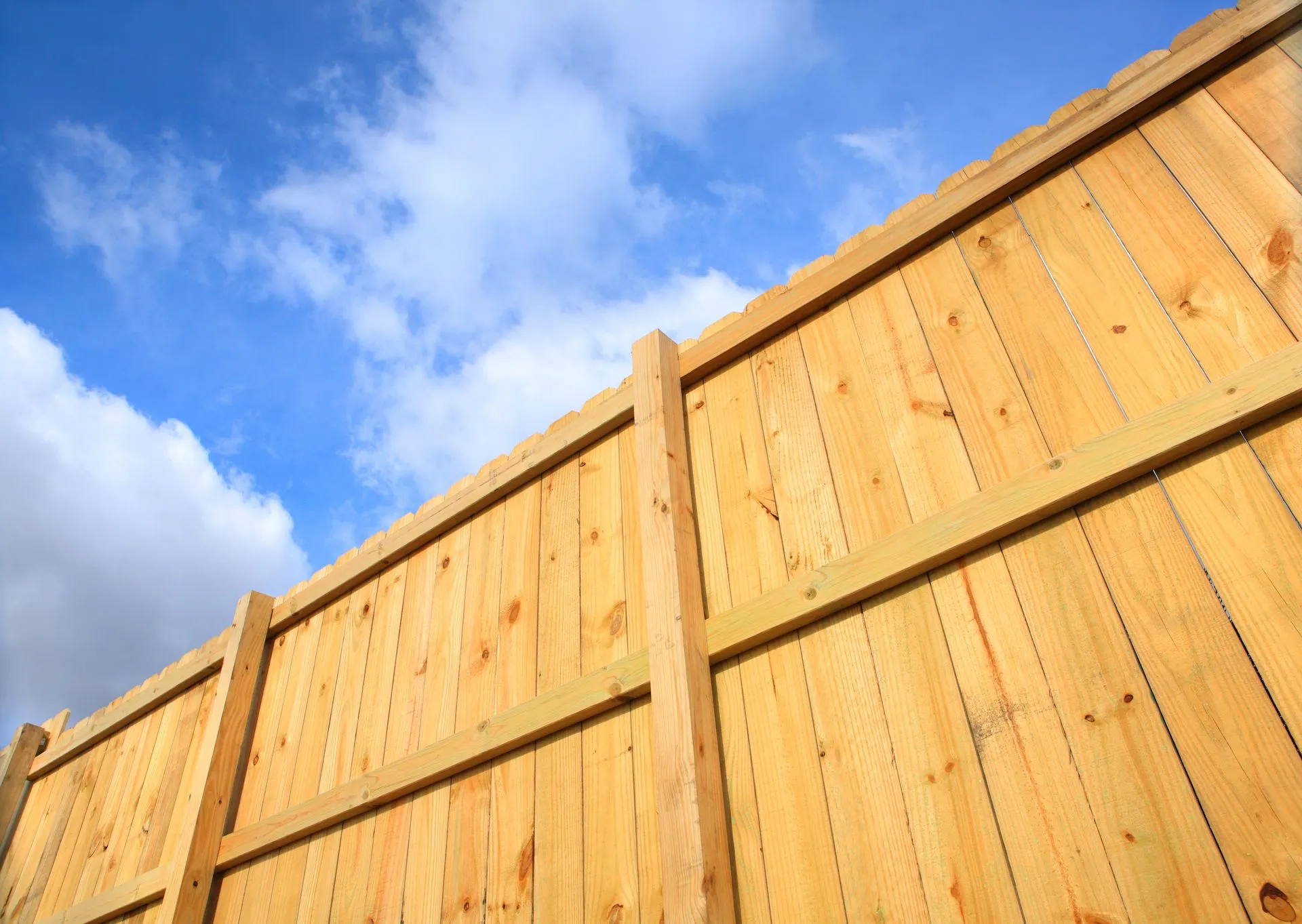
Start with a clear plan: mark your property line, call 811 for utility locates, and decide gate placement. Typical installation actions include setting posts, attaching rails, installing infill (pickets, panels, or boards), and finishing with gates and hardware.
Post depth and spacing are two of the most important variables. A common rule of thumb is to set posts at least 1/3 the above‑ground post height and space them 6–8 feet apart for most panel systems; closer spacing is better for picket or high‑wind areas.
Common Terms Every Homeowner Should Know
- Post — the vertical support; determines strength and alignment.
- Rail — horizontal members that connect posts and support panels or pickets.
- Pickets/boards — the vertical pieces that create privacy or style.
- Gate — a planned opening; confirm swing direction and latch type before installation.
- Footing — concrete around the post base; depth varies by frost line and soil.
Practical Tips for a Smooth Project
Prepare the site to avoid delays: clear vegetation, confirm access, and agree on a start date. During installation, crews will typically work in stages — layout and post setting first, followed by rails and panels, then gates and finishing touches.
If you encounter sloped terrain, discuss stepped vs. racked panels with your installer — each affects the final look and how well the fence controls privacy and visibility.
Fencing Ideas and Style Prompts
Some quick ideas to spark your design:
- Privacy: tall board‑on‑board or solid vinyl for backyard seclusion.
- Curb appeal: classic white picket or ornamental metal with stone columns at the entry.
- Modern: horizontal cedar boards, dark stain, and recessed posts for a sleek look.
- Mixed materials: metal front fence with wood privacy in the back balances style and cost.
Want more inspiration? Ask a fencing company near me to show local projects and a gallery of fencing ideas. When you request a quote, ask for an itemized estimate so you can compare material, labor, and gate options — that will help you evaluate fence installation cost accurately.
Competitive Fencing Structure
Installing and maintaining fences involves an ecosystem of local contractors, permitting authorities, and scheduled services—much like leagues and teams organize a sport. Understanding that structure helps homeowners find the right provider, know what to expect for timelines and cost, and choose ongoing service options that protect their investment.
Local fencing contractors range from small crews handling routine repairs to full-service companies that manage new construction, permits, and long-term maintenance. When you search for a fencing company near me, look for evidence of licensing, insurance, references, and a portfolio showing recent work.
Who Does What: Roles and Responsibilities
Typical participants in the fence “supply chain” include:
- Local contractors and installers — handle site assessment, material recommendations, installation, and cleanup (often the main point of contact).
- Municipal building department / HOA — set rules, issue permits, and inspect completed work (think of them as regulatory “governing bodies”).
- Material suppliers — provide posts, panels, hardware, and finish materials; lead times affect project schedules.
- Specialty crews — masonry or electrical contractors may be needed for stone columns, lighting, or automated gates.
Service Levels and Typical Frequencies
Fence work falls into a few common categories depending on need and budget. Below is a simple guide to help you plan and budget.
| Service LevelFrequencyWho It ServesTypical Cost RangeHow to Qualify | ||||
| Routine Maintenance | Annually or biennially | Homeowners with existing fences | $100–$600 | Visual inspection, minor repairs, stain/paint |
| Repair | As needed | Damage from weather, wear, or accidents | $150–$1,500 | Site visit and damage assessment |
| Full Replacement | Every 10–30 years | Aged or failing fences | $1,500–$15,000+ | Estimate, permit checks, material selection |
| New Construction | One-time project | New builds or property upgrades | $2,000–$25,000+ | Site measurement, permit, detailed proposal |
Finding the Right Team
Choose a contractor that works as “one team” from estimate to completion: clear communication, written contracts, defined timelines, and warranty terms reduce risk. Ask potential installers about their crew (in-house vs. subcontractors), insurance, references, and sample contracts.
For special needs—events, construction sites, or temporary barriers—search for providers experienced with construction fencing and event fencing. These services typically supply temporary panels, gates, and secure installation for short-term projects.
Local Offers and Financing
Many companies offer seasonal promotions, financing plans, or bundled maintenance agreements. When comparing quotes, consider total lifecycle value: a slightly higher upfront cost for durable materials and a strong warranty often reduces long‑term expense. If you want help narrowing choices, request a free estimate from a reputable fencing company near me and ask for examples of similar projects in your neighborhood.
Conclusion
Designing the right fence blends practical decisions with aesthetic choices. A well-chosen fence improves privacy, boosts curb appeal, and protects your property while reflecting your home’s character. Whether you favor classic wood, elegant metal, or low‑maintenance vinyl, the best outcome comes from matching materials, design, and site conditions to your goals and budget.
Before you commit, get clear estimates that compare materials, labor, permit fees, and any site preparation (grading, removal of old fencing, or utility work). These factors directly influence your fence installation cost and the long‑term value of the investment.
Ready to move forward? Contact a reputable fencing company near me to schedule a free site visit. A professional contractor will verify property lines, explain local rules and permit requirements, show fencing ideas that suit your home, and provide an itemized quote so you can compare options with confidence.