
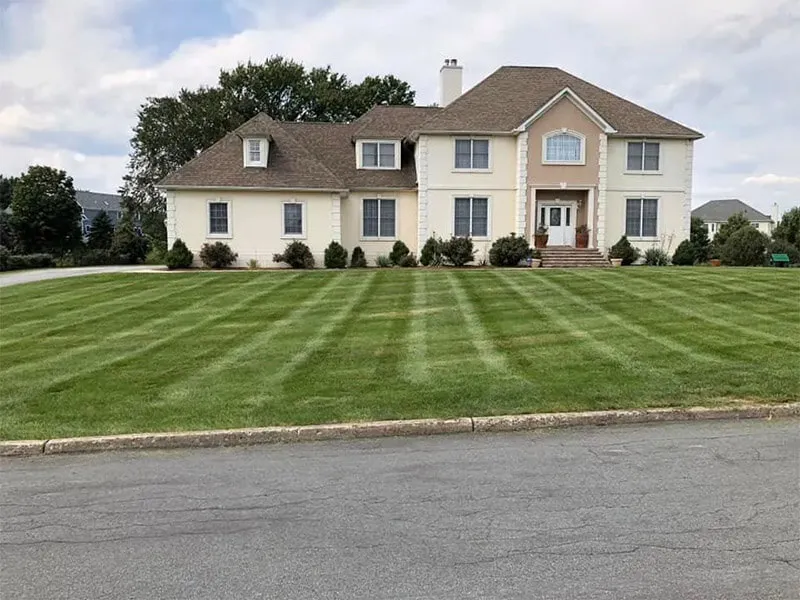
Commercial Lawn Management
Commercial lawn management for offices, retail sites, multifamily properties, HOAs, and managed landscapes in the Hudson Valley.
Commercial Lawn Care Has to Be Predictable
Commercial lawn management is different from occasional mowing. Property owners, facility managers, and associations need a schedule that protects curb appeal, keeps entrances presentable, and reduces complaints during the growing season. Lawn Spa reviews turf areas, sidewalks, parking edges, signage, drainage trouble spots, and high-visibility zones before recommending a service plan. A strong program keeps the property consistently maintained without requiring the manager to chase every visit.
A practical program can include mowing, trimming, edging, blowing, bed cleanup, pruning coordination, seasonal color, mulch, leaf removal, turf repair, and storm-related cleanup. Service frequency should match site use, sun exposure, irrigation, soil condition, and the standard expected by tenants or visitors. A retail frontage may need a different cadence than a warehouse lawn or HOA common area.
Commercial sites also need clear communication. Lawn Spa can discuss visit timing, access, parking lot safety, service reporting, priority areas, and how to handle extra work such as drainage repairs, plant replacement, snow damage, or seasonal enhancements. That keeps routine maintenance separate from approved improvements.
What Property Managers Should Include in a Request
Useful commercial lawn proposals start with the site address, approximate maintained acreage, number of turf zones, desired frequency, and any areas that create recurring issues. Photos of entrances, slopes, drainage problems, signage, and parking edges help define scope before the first walk-through.
Lawn Spa also reviews liability-sensitive details such as grass clippings on pavement, low branches near walkways, visibility at signs, and cleanup around tenant doors. For sites that also need snow and ice service, the summer maintenance plan should not ignore winter realities like plow stacking locations and turf repair after storms.
For a commercial lawn review, share whether you need a seasonal contract, a one-time cleanup, or a proposal for multiple properties so Lawn Spa can prepare the right service path.
How Lawn Spa Structures a Commercial Lawn Program
A reliable commercial lawn program starts with a written understanding of the property, not a generic mowing price. Lawn Spa reviews public-facing turf, employee and tenant entrances, road frontage, parking lot islands, dumpster enclosures, stormwater areas, slopes, signage, and any lawn that is difficult to reach with larger equipment. That review helps separate areas that need a crisp weekly appearance from low-visibility turf that can be managed differently without sacrificing the overall look of the site.
For offices, retail plazas, HOAs, apartment communities, industrial properties, and small campuses, consistency is usually more important than one dramatic cleanup. The plan should address mowing height, trimming around fixed objects, hard-edge cleanup, blowing of walks and doorways, bed touch-ups, and how crews should handle wet weather or fast spring growth. In the Hudson Valley, growth rates can change quickly between cool spring weeks, humid summer stretches, drought stress, and leaf season. A strong schedule gives the property manager a predictable baseline while leaving room for practical adjustments.
Commercial lawn management also has to account for safety and reputation. Clippings on sidewalks, blocked sight lines near signs, branches over walks, muddy equipment tracks, and missed tenant entrances are small details that become complaints. Lawn Spa can identify those priority zones during the estimate and discuss which details are included every visit, which are seasonal, and which should be approved separately as enhancement work.
Planning Factors for Property Managers
The most useful commercial requests include the property address, maintained acreage or approximate lawn size, the number of entrances, preferred service days, access limits, billing requirements, and whether the site needs certificates of insurance or service documentation. Photos of problem areas help as well, especially where drainage, shade, plow damage, or vehicle traffic has weakened the turf. If the property has multiple decision makers, it is helpful to define who approves seasonal work such as mulch, pruning, turf repair, planting changes, or storm cleanup.
Lawn Spa can also coordinate commercial lawn management with related services. Drainage correction may be needed where downspouts flood turf or parking lot runoff crosses lawn panels. Landscape maintenance may be needed for beds, shrubs, and seasonal color. Snow and ice management should be discussed before winter so plow markers, snow storage, and spring turf repair are planned instead of treated as surprises. Looking at the property as a full exterior system keeps the lawn program practical throughout the year.
Questions to Ask Before Approving Service
Before selecting a commercial lawn provider, ask how weather delays are handled, whether crews report damage or site concerns, how extra work is priced, and what happens when a tenant requests a change outside the approved scope. Ask whether mowing, trimming, edging, blowing, spring cleanup, leaf removal, and bed maintenance are bundled or itemized. A clear answer prevents mismatched expectations and helps the manager compare proposals on the same scope.
Lawn Spa builds commercial lawn programs that make the exterior easier to manage. A good commercial lawn program should reduce interruptions, improve curb appeal, and give decision makers a clear path for repairs or upgrades when conditions change. Share the property type, service goals, and current pain points, and the team can recommend the next step for an on-site review.
Lawn Care That Supports Daily Operations
Every commercial lawn management request should start with the conditions on the actual property. Lawn Spa looks at commercial turf, entrances, tenant-facing sidewalks, parking lot islands, monument signs, drainage trouble spots, and the edges that shape first impressions for visitors. Those details affect the right crew, equipment, materials, visit timing, and whether the work should be handled as a single project, a seasonal service, or a phased improvement plan.
A clear estimate should explain what is included, what is excluded, and what may change if hidden conditions appear. Property owners should know whether preparation, disposal, cleanup, restoration, access protection, and follow-up recommendations are part of the scope. That level of detail is especially important in the Hudson Valley, where clay soil, ledge, mature trees, steep grades, heavy rain, snow, and freeze-thaw cycles can change how outdoor work performs after the first season.
Lawn Spa also considers how the service connects to the rest of the site. A lawn plan may reveal drainage work. A patio may require grading first. A pool area may need a safe walking route and restored turf. A snow plan may affect where turf is repaired in spring. Looking at those connections helps the client avoid paying for work in the wrong order.
Information That Helps Set the Mowing Schedule
Before a commercial lawn management visit, share the property type, mowing areas, high-visibility entrances, irrigation concerns, parking or tenant restrictions, and the season when service should begin. Photos of turf stress, drainage trouble, slopes, gates, loading areas, and snow-storage zones help Lawn Spa plan a maintenance schedule that fits the site instead of treating it like a small residential yard.
Useful questions include how long the work should take, what weather can delay it, how disturbed areas will be protected, what maintenance is expected afterward, and which related services should be considered now. Common related needs include landscape maintenance, drainage solutions, commercial snow removal, mulch, pruning, and turf repair. The answer does not have to make the project larger; it should make the approved scope more accurate.
Why the Maintenance Scope Matters
A clear proposal explains the result, the sequence, the practical limits, and what happens if conditions change. Lawn Spa uses that approach so commercial lawn management customers can compare value, plan timing, and approve work with fewer surprises.
Use the estimate form to describe the property, the service goal, and the first problem you want solved. Lawn Spa can recommend a focused plan for your home, business, HOA, or managed landscape.
Build a Commercial Lawn Plan With Lawn Spa
Share the property town, site conditions, timing goals, and the issues you want solved. Lawn Spa will follow up with a practical route for a field review or proposal.