
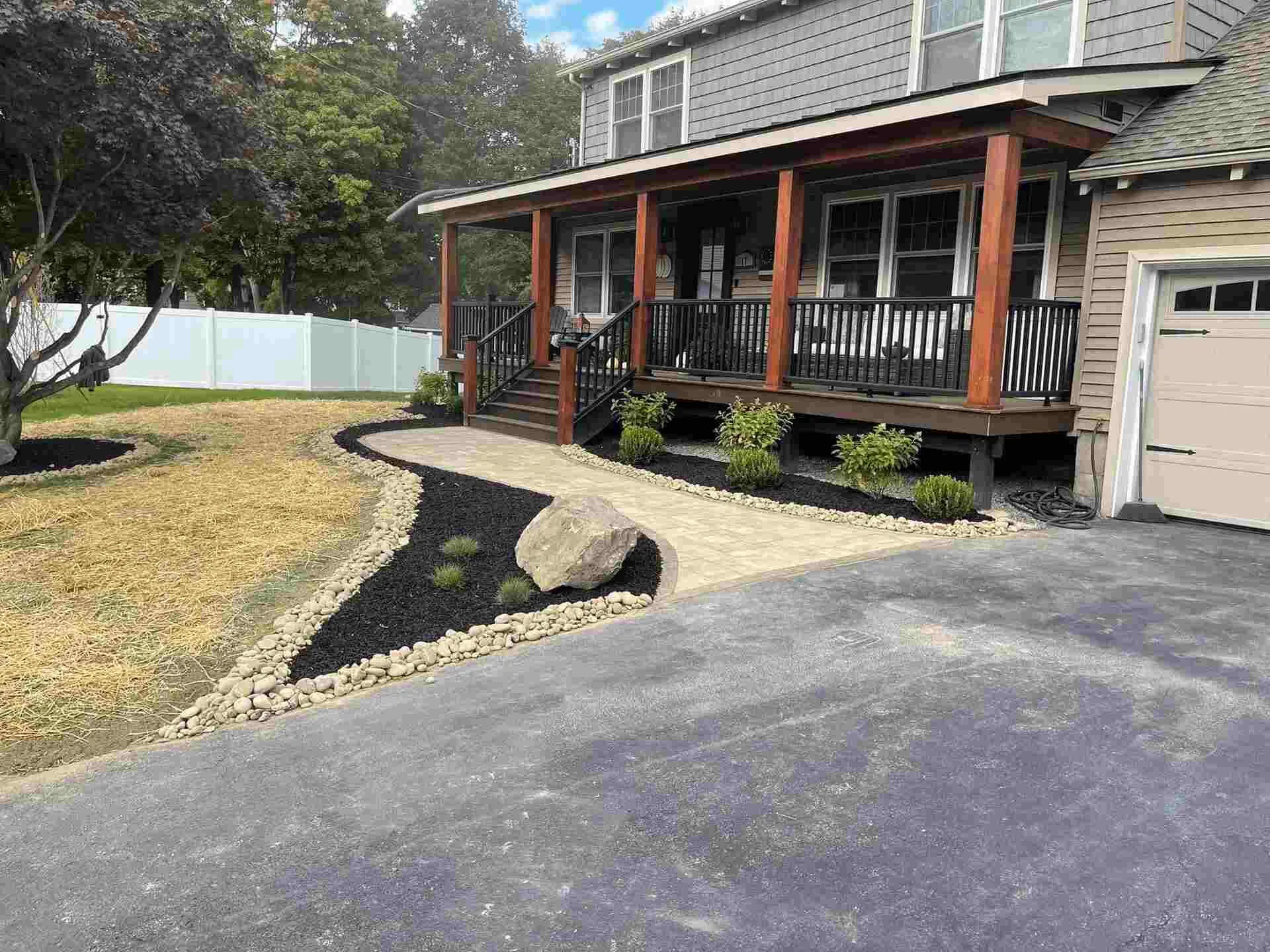
Landscape Design
Landscape design planning for planting beds, lawn renovation, outdoor living areas, drainage-aware layouts, and phased property improvements.
Design Should Make the Property Easier to Use
Landscape design is not just selecting plants. A useful design organizes circulation, privacy, shade, outdoor rooms, drainage, maintenance, lighting, and the relationship between the house and yard. Lawn Spa starts by learning how the space should function: entertaining, pool use, play space, curb appeal, lower maintenance, slope control, or a cleaner arrival experience. Those priorities guide the layout before materials or plant varieties are chosen.
Hudson Valley properties often need design decisions that respond to grade, clay soil, wet areas, deer pressure, mature trees, and freeze-thaw conditions. A planting plan should match sun exposure and maintenance expectations. A patio layout should consider drainage and traffic flow. Beds near foundations should not trap moisture. Lighting and edging should be planned before final planting when possible.
Design can also be phased. A homeowner may start with drainage and grading, then install a patio, then add planting and lighting. Lawn Spa helps identify the order that avoids rework, protects the budget, and keeps each phase useful on its own.
What a Design Consultation Should Cover
A productive design visit reviews measurements, existing materials, problem areas, preferred style, shade patterns, drainage routes, and how much maintenance the owner wants. It should also discuss what must stay, what can be removed, and where future improvements such as a pool, fence, patio, or outdoor kitchen might fit.
Lawn Spa can connect design ideas to buildable details because the team also handles hardscaping, excavation, lawn work, lighting, and maintenance. That makes the plan more practical than a drawing that ignores access, base preparation, or future service.
When requesting landscape design, share photos from several angles, a rough budget, must-have features, and any issues with water, privacy, worn turf, or outdated plantings.
Designing Outdoor Spaces That Work After Installation
Landscape design should translate ideas into a buildable, maintainable plan for the actual property. Inspiration photos are useful, but they do not show the grade, drainage, shade, access, soil, existing trees, privacy needs, or maintenance level of your yard. Lawn Spa begins design conversations by reviewing how the space is used, what problems need to be solved, which features should stay, and how the project should be phased.
Good design balances appearance with function. A patio should connect comfortably to doors, walks, pools, lawn areas, and outdoor kitchens. Planting beds should mature without blocking windows, equipment access, or walkways. Lighting conduit is easier to plan before pavers are installed. Drainage should be corrected before finish plantings hide the problem. Fencing, privacy screens, fire features, and retaining walls should be placed with future maintenance in mind.
Budget is also a design tool. Many Hudson Valley properties benefit from phasing: rough grading and drainage first, hardscape and major structure second, planting and lighting after the main construction, and lawn restoration at the right season. A phased plan lets the owner make progress without building in the wrong order or paying to disturb finished work later.
Information That Helps the Design Process
Before the estimate, gather photos of the full yard, problem areas, views from inside the home, existing patios or walks, wet spots, slopes, and features you want to keep. Note how you want to use the space: entertaining, pool access, quiet seating, play, pets, privacy, curb appeal, easier maintenance, or better drainage. Also share dislikes, preferred materials, and whether you want a low-maintenance landscape or a more detailed garden style.
Lawn Spa can then discuss which ideas belong in the first phase and which should wait. For example, a pool deck may need grading and drainage before planting. A privacy row should account for mature plant size and snow load. A walkway may need lighting sleeves before the base is complete. Those decisions are easier and less expensive when made during design.
From Concept to Construction
The best landscape design is not just a pretty layout. It is a sequence that a crew can build and a homeowner can live with. Lawn Spa considers equipment access, material staging, drainage outlets, maintenance routes, edging, pruning needs, seasonal cleanup, and how the finished property will be cared for over time. That practical review helps prevent beds that are too deep to maintain, narrow routes that cannot be serviced, or plantings that quickly outgrow the space.
Use the contact form to describe the project goals and the problems you want solved. Lawn Spa can recommend whether the next step is a design consultation, a phased construction estimate, or a maintenance-first plan that prepares the property for future improvements.
Landscape Design That Matches the Property
Every landscape design request should start with the conditions on the actual property. Lawn Spa looks at grade, drainage, shade, privacy, circulation, mature plant size, outdoor living goals, maintenance access, lighting sleeves, and whether the project should be phased. Those details affect the right crew, equipment, materials, visit timing, and whether the work should be handled as a single project, a seasonal service, or a phased improvement plan.
A clear estimate should explain what is included, what is excluded, and what may change if hidden conditions appear. Property owners should know whether preparation, disposal, cleanup, restoration, access protection, and follow-up recommendations are part of the scope. That level of detail is especially important in the Hudson Valley, where clay soil, ledge, mature trees, steep grades, heavy rain, snow, and freeze-thaw cycles can change how outdoor work performs after the first season.
Lawn Spa also considers how the service connects to the rest of the site. A lawn plan may reveal drainage work. A patio may require grading first. A pool area may need a safe walking route and restored turf. A snow plan may affect where turf is repaired in spring. Looking at those connections helps the client avoid paying for work in the wrong order.
Before the Design Visit
For landscape design, gather photos of the house, beds, lawn, walkways, slopes, sun and shade patterns, and the areas you want to use more often. Share whether the priority is curb appeal, outdoor entertaining, lower maintenance, pool-area improvement, lighting, drainage correction, or a phased plan so the design supports the property long term.
Useful questions include how long the work should take, what weather can delay it, how disturbed areas will be protected, what maintenance is expected afterward, and which related services should be considered now. Common related needs include pavers, pool decks, planting, landscape lighting, drainage, fencing, retaining walls, and lawn repair. The answer does not have to make the project larger; it should make the approved scope more accurate.
Why the Plan Should Be Specific
A clear proposal explains the result, the sequence, the practical limits, and what happens if conditions change. Lawn Spa uses that approach so landscape design customers can compare value, plan timing, and approve work with fewer surprises.
Use the estimate form to describe the property, the service goal, and the first problem you want solved. Lawn Spa can recommend a focused plan for your home, business, HOA, or managed landscape.
Talk Through Landscape Design With Lawn Spa
Share the property town, site conditions, timing goals, and the issues you want solved. Lawn Spa will follow up with a practical route for a field review or proposal.