
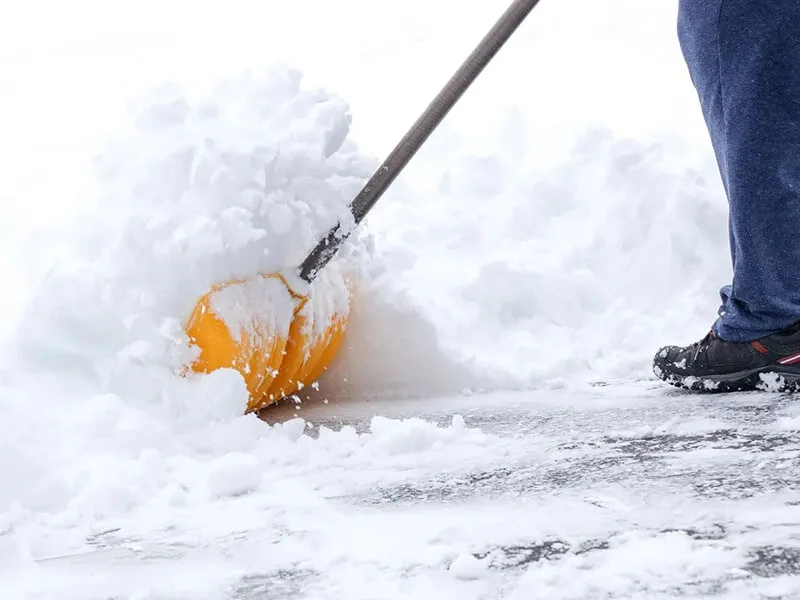
Snow and Ice Management
Snow and ice management planning for driveways, lots, walks, entrances, salting priorities, storm response, and winter access.
Winter Service Is About Access and Risk
Snow and ice management has to be planned before the storm, not while a property is already blocked. Lawn Spa reviews driveways, parking lots, walks, steps, entrances, drainage, refreeze zones, and places where snow can be stacked without damaging turf or blocking visibility. The service plan should match the property type, expected traffic, storm trigger, and the areas that need to be open first.
For residential properties, the priority may be driveway access, safe walkways, and avoiding plow damage along lawn edges. For commercial properties, the plan may include lot clearing, entrances, loading areas, walks, salting, return visits, and communication during long storms. Ice control is especially important where meltwater crosses pavement and refreezes overnight.
Lawn Spa discusses equipment access, surface type, obstacles, timing expectations, and whether the property needs per-push service or a seasonal arrangement. Clear boundaries and marked hazards help crews work faster and reduce damage when visibility is poor.
Preparing a Property Before Snow Season
Good winter planning starts with a walkthrough before the first storm. Mark curbs, drains, low walls, landscape edges, utility covers, and areas where plows should not push. Decide where snow can be stacked after repeated storms. Review slopes and shaded areas that refreeze. For commercial sites, identify pedestrian routes, emergency access, tenant entrances, and service doors.
Snow service also connects to summer maintenance. Turf repair, drainage, pavement edges, and landscape bed placement can all affect winter results. Lawn Spa can identify places where a small pre-season adjustment prevents repeated damage or ice problems.
Use the estimate form to describe the property, surfaces to clear, trigger depth, salting needs, and any priority access requirements for residents, employees, tenants, or customers.
Snow and Ice Management for Safe, Usable Properties
Snow and ice management should be planned before the first storm, when curbs, drainage, pavement edges, walkways, and obstacles are still visible. Lawn Spa reviews where snow should be cleared, where it can be stacked, which areas need ice control, and which routes must remain open for residents, customers, employees, deliveries, or emergency access. A pre-season plan helps crews work efficiently when visibility is low and timing matters.
Residential and commercial properties need different scopes. A homeowner may need a driveway, walkway, and safe access to the main entrance. A commercial site may need parking lots, tenant doors, loading zones, accessible spaces, fire lanes, sidewalks, and return visits after municipal plows block entrances. HOAs may need mailbox clusters, community walks, and priority routes for residents. Lawn Spa can define those priorities before storms create urgency.
Ice control is a separate planning item from plowing. Wet snow, sleet, freezing rain, roof runoff, shade, and overnight temperature drops can create hazards after surfaces have been cleared. The service plan should state whether salt, treated salt, calcium chloride, magnesium chloride blends, or walkway ice melt are included, and when they are applied. This matters in the Hudson Valley where storm type can change within a single event.
Details to Define Before Winter
Helpful information includes trigger depth, priority areas, preferred communication, access limits, gate codes, plow obstacles, steep drives, drainage that crosses pavement, and areas where snow piles caused problems in past winters. Markers can protect turf, curbs, walls, drains, and landscape edges. Photos or simple maps are useful for properties with multiple entrances, hidden edges, or limited snow storage.
A clear agreement should also define exclusions and follow-up needs. Snow hauling, loader work, roof snow, excessive drifting, municipal plow pushback, or post-storm monitoring may need separate approval depending on the property. Lawn Spa can explain those items before winter so expectations are documented rather than improvised during severe weather.
Reviewing Service After Storms
The first significant storm often reveals where the plan should be adjusted. Snow piles may reduce visibility, shaded pavement may refreeze, or traffic may compact snow in unexpected areas. Lawn Spa can use feedback from early events to refine markers, priorities, and treatment areas for the rest of the season. Commercial properties may also need service notes, timestamps, or photos for management records.
Share the property type, winter access priorities, and past snow or ice issues when requesting an estimate. Lawn Spa can recommend a practical snow and ice management plan that protects access, reduces confusion, and fits the way the property is used during active storms.
Snow and Ice Service Built Around Access
Every snow and ice management request should start with the conditions crews will face during active weather. Lawn Spa looks at driveways, walks, parking areas, steep grades, shaded pavement, refreeze areas, snow storage, markers, municipal plow pushback, and pedestrian access. Those details affect the right crew, equipment, materials, visit timing, and service sequence for each storm.
A clear estimate should explain what is included, what is excluded, and what may require approval during severe weather. Property owners should know how plowing, shoveling, ice melt, return visits, snow relocation, and access protection are handled before the first storm arrives. That level of detail is especially important in the Hudson Valley, where wet snow, freezing rain, steep drives, heavy traffic, and freeze-thaw cycles can change conditions quickly.
Lawn Spa also considers how winter service connects to the rest of the site. Drainage can affect refreeze risk, snow piles can impact turf and planting beds, and spring repair needs may depend on where snow was stacked. Looking at those connections helps homeowners, businesses, HOAs, and managed properties keep access open while reducing seasonal damage.
Marking Curbs, Drains, Walks, and Snow Storage
For snow and ice management, identify the driveway, walks, entrances, parking areas, steep spots, drainage paths, and safe snow-storage locations before winter weather arrives. Lawn Spa can use that information to plan storm response, ice control, and spring turf protection for homes, businesses, HOAs, and managed sites.
Useful questions include how long the work should take, what weather can delay it, how disturbed areas will be protected, what maintenance is expected afterward, and which related services should be considered now. Common related needs include commercial snow removal, drainage repair, spring cleanup, lawn restoration, and property maintenance. The answer does not have to make the project larger; it should make the approved scope more accurate.
Storm Timing, Return Visits, and Ice Control
A clear proposal explains the result, the sequence, the practical limits, and what happens if conditions change. Lawn Spa uses that approach so snow and ice management customers can compare value, plan timing, and approve work with fewer surprises.
Use the estimate form to describe the property, the service goal, and the first problem you want solved. Lawn Spa can recommend a focused plan for your home, business, HOA, or managed landscape.
Review a Snow and Ice Plan With Lawn Spa
Share the property town, site conditions, timing goals, and the issues you want solved. Lawn Spa will follow up with a practical route for a field review or proposal.