
Most Newburgh homeowners who ask about pavers are trying to avoid the same problem: booking too quickly, then discovering the project needed more excavation, drainage correction, access planning, or material guidance than the first conversation covered. A paver patio, walkway, driveway apron, or pool deck is a permanent outdoor surface. The best estimate should explain what happens below the pavers, where water will go, how the surface will meet the house and lawn, and what details could affect price or timing.
Before requesting paver installation in Newburgh, gather photos and note the property's grade, access, drainage, preferred materials, and future outdoor plans. Those details help clarify base depth, cleanup, equipment needs, and connections to hardscaping, pool work, lighting, or landscaping.
Start With the Surface You Actually Need
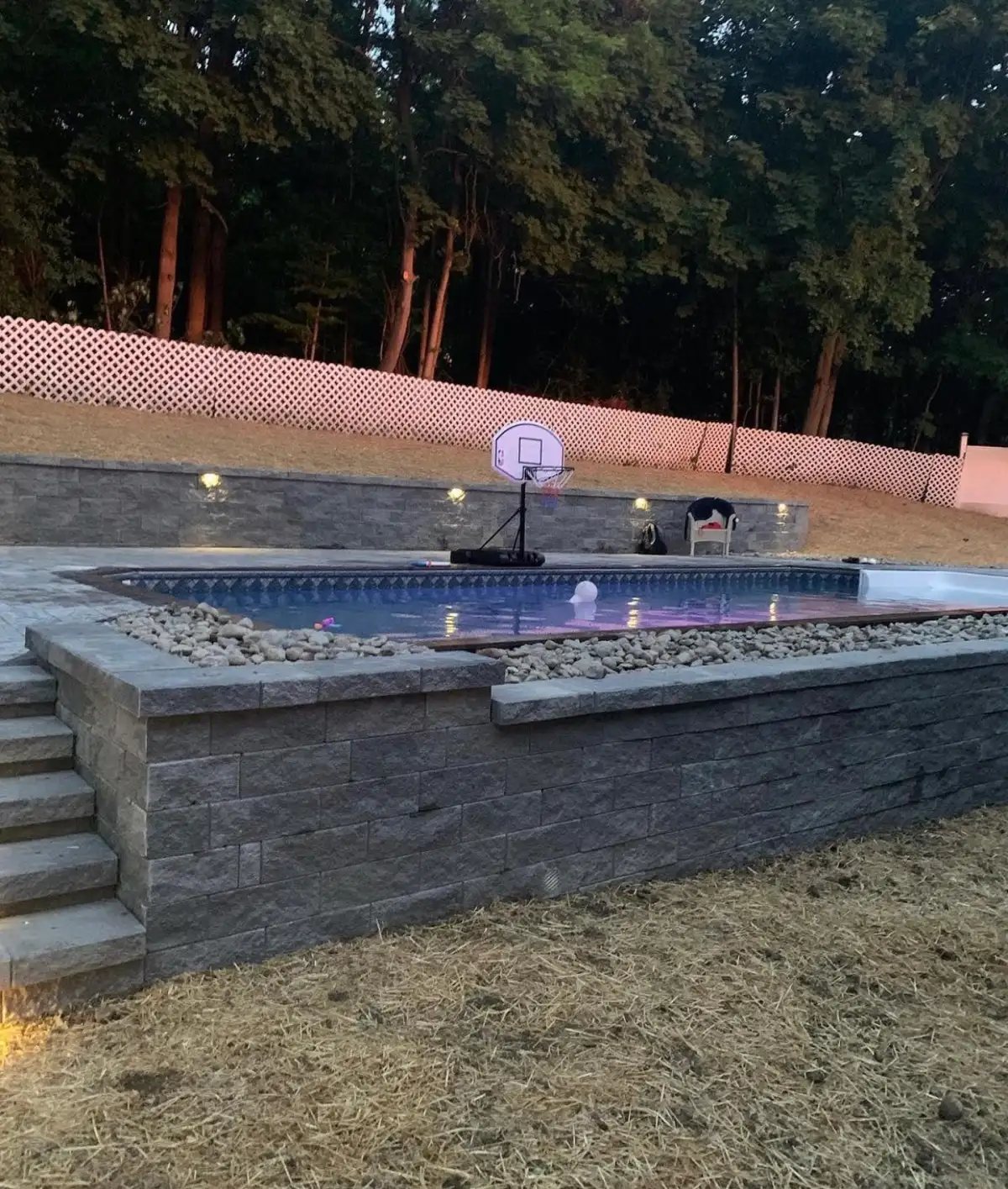
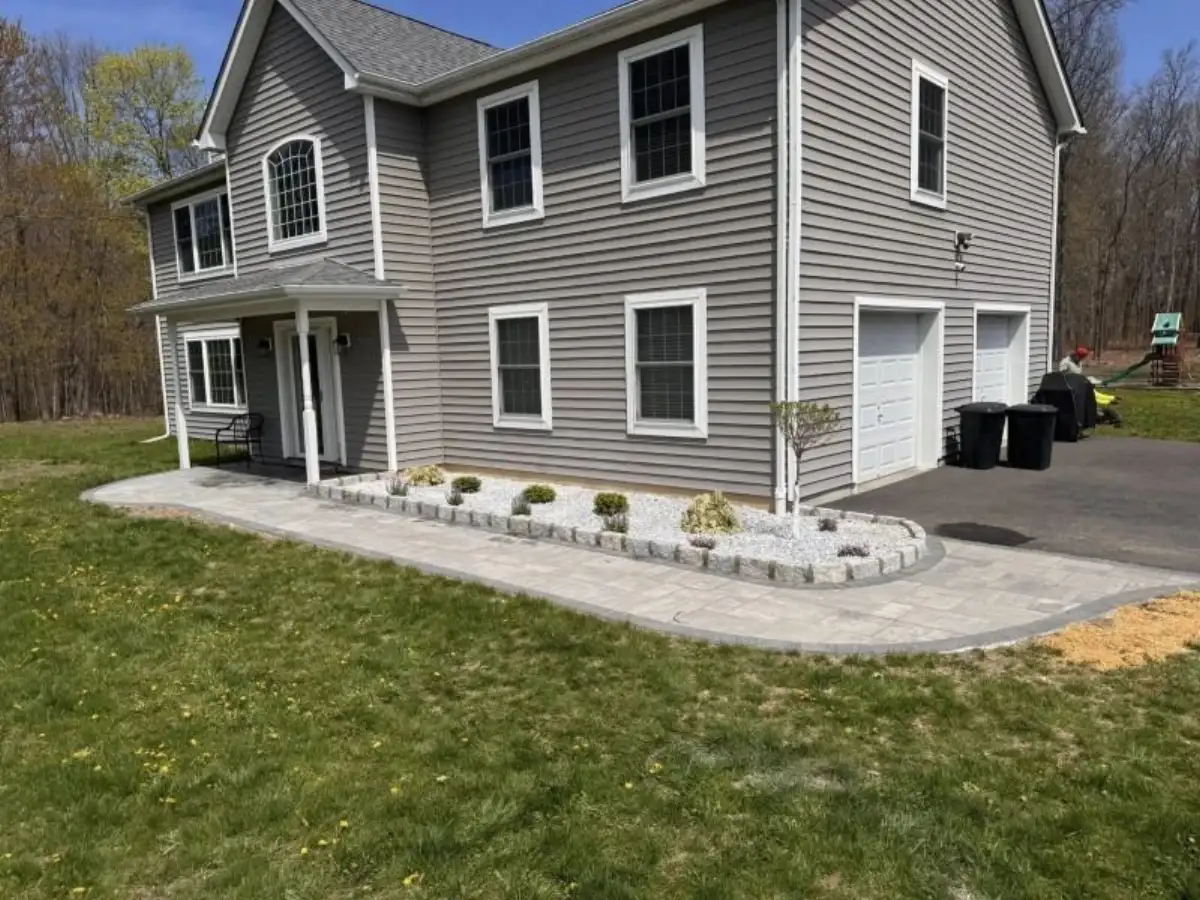
The word pavers can mean several different projects. A backyard dining patio needs enough room for furniture, grill clearance, and walking space. A front walkway needs clean transitions at steps, the driveway, and the porch. A driveway apron needs a stronger base and paver profile than a pedestrian area. A pool deck needs a surface that works around wet feet, splash zones, coping, drainage, and lounge furniture.
Before requesting an estimate, write down the main use of the surface. You do not need a finished design, but it helps to know whether the priority is entertaining, safer access, a cleaner pool area, less mud, better curb appeal, or a low-maintenance replacement for cracked concrete. That answer shapes the layout, base, material options, and drainage conversation.
Take Photos Before You Call
Clear photos make the first estimate request more productive. Take wide photos from several angles, then add close-ups of doors, steps, slopes, low spots, downspouts, existing concrete, pool edges, retaining walls, fences, gates, and tight side yards. If water collects after a storm, take a photo before it dries. If ice forms in the same place every winter, include that detail too.
Newburgh properties can vary from compact village lots to larger yards with slopes, older walks, basement entries, and mature landscaping. Photos help Lawn Spa understand whether the project may need grading, soil removal, equipment access planning, or a related drainage solution before the pavers are installed.
Ask What the Estimate Includes Below the Pavers
The visible paver is only the final layer. A useful estimate should explain excavation, soil handling, geotextile fabric when appropriate, compacted stone base, bedding layer, cuts, edge restraints, joint material, final compaction, cleanup, and grade tie-ins. If those details are vague, two estimates that look similar on price may not be offering the same installation.
Many standard paver patio projects in the Newburgh and Hudson Valley area fall around $15 to $30 per square foot, while natural stone, pool decks, driveway areas, complex patterns, tight access, heavy excavation, or drainage corrections can cost more. The most helpful estimate explains what is included and why the site conditions affect the scope.
Confirm Drainage Before Choosing a Pattern
Drainage should be settled before color and pattern decisions. Paver surfaces need pitch so water moves away from the home, garage, pool, steps, and low lawn areas. Some sites only need corrected grading and a clean lawn tie-in. Others may need a channel drain, French drain, dry well connection, or broader grade adjustment to keep the base stable and reduce icy trouble spots.
This is especially important around basement doors, older concrete, pool decks, and back patios that sit close to the house. If water is already moving toward the structure or collecting where the patio will go, the paver installation should not hide that problem. It should be planned around it.
Think About Future Outdoor Phases
A paver project often becomes the first phase of a larger outdoor plan. If you may later add a fiberglass pool, planting beds, fencing, retaining walls, outdoor lighting, or a walkway extension, mention it during the estimate. Future phases can affect elevation, edge restraints, conduit planning, drainage path, and how the paver field stops at the lawn or landscape bed.
Lawn Spa also builds broader hardscaping and pavers and pool decks, so a patio estimate can account for nearby walls, steps, pool edges, lighting sleeves, or planting areas when they affect the same outdoor space. That keeps the first phase from creating avoidable rework later.
Material Choice Should Match Use, Not Just Color
Interlocking concrete pavers are common in the Hudson Valley because they offer design flexibility and can perform well when installed over a proper base. Homeowners should ask whether the selected paver is appropriate for the use and rated for Northeast freeze-thaw conditions. A driveway surface needs a heavier-duty paver than a small garden path. A pool deck should be comfortable, slip-conscious, and practical around water. A front walk should be easy to clear and safe at transitions.
Natural stone or travertine can make sense for some projects, but the material, finish, base, and maintenance expectations need to match the site. Instead of choosing from a sample board alone, compare the paver against heat comfort, texture, snow and ice exposure, furniture use, budget, and how it coordinates with the home.
What to Have Ready Before You Book
Before scheduling a paver estimate, gather the address, rough dimensions, photos, preferred timing, and a short explanation of how you want to use the space. Note whether there are gates, narrow side yards, overhead wires, septic components, irrigation, existing drainage issues, or old concrete that may need removal. If the project is in the Newburgh service area but near a neighboring town, include that context so routing and timing are clear.
You should also be ready to talk budget range. That does not lock you into a number, but it helps Lawn Spa compare options honestly. A smaller paver patio with a clean base may be a better first phase than an oversized layout that ignores drainage, lighting, or pool plans you want later.
Booking Questions Worth Asking
- What base depth and stone material are recommended for this exact surface?
- How will water move after the patio, walkway, driveway, or pool deck is complete?
- Are edge restraints, cuts, polymeric sand, compaction, and cleanup included?
- Does the paver choice match the intended use and freeze-thaw exposure?
- Will the layout allow for future lighting, pool work, planting beds, or walls?
- What photos, measurements, entry and staging information, and timing details should I provide?
Request a Clear Paver Estimate
If you are planning pavers in Newburgh, Lawn Spa Landscaping Inc. can review the site, explain base and drainage needs, compare material options, and provide a scoped estimate. Explore paver installation, confirm service in Newburgh, request a free estimate, or call (845) 467-0845.
FAQ: Newburgh Paver Projects
Have photos, rough dimensions, the main use of the surface, timing goals, notes about water or ice problems, and access details such as gates, narrow side yards, steps, or existing concrete.
A clear estimate should include excavation, base preparation, bedding layer, paver material, edge restraints, joint material, drainage pitch, soil handling, cleanup, and any related grading or drainage work.
Drainage helps protect the base and reduces recurring puddles or icy spots. Pitch, grading, drains, or other corrections should be reviewed before the paver layout is finalized.
Yes. If the pavers may later connect to lighting, a pool deck, retaining wall, planting beds, fencing, or drainage improvements, mention it during the estimate so future tie-ins can be planned.