
Excavation and Base
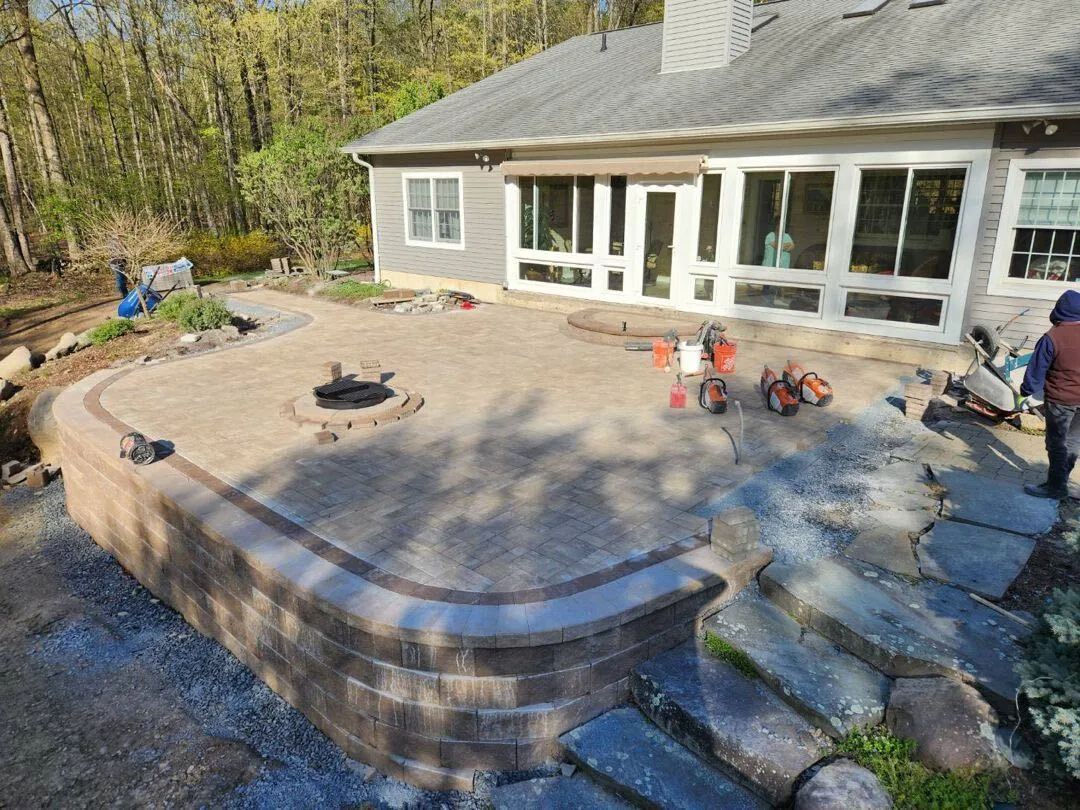
How deep the dig goes, the stone base, and how it gets compacted. The base is what keeps pavers level through winter.
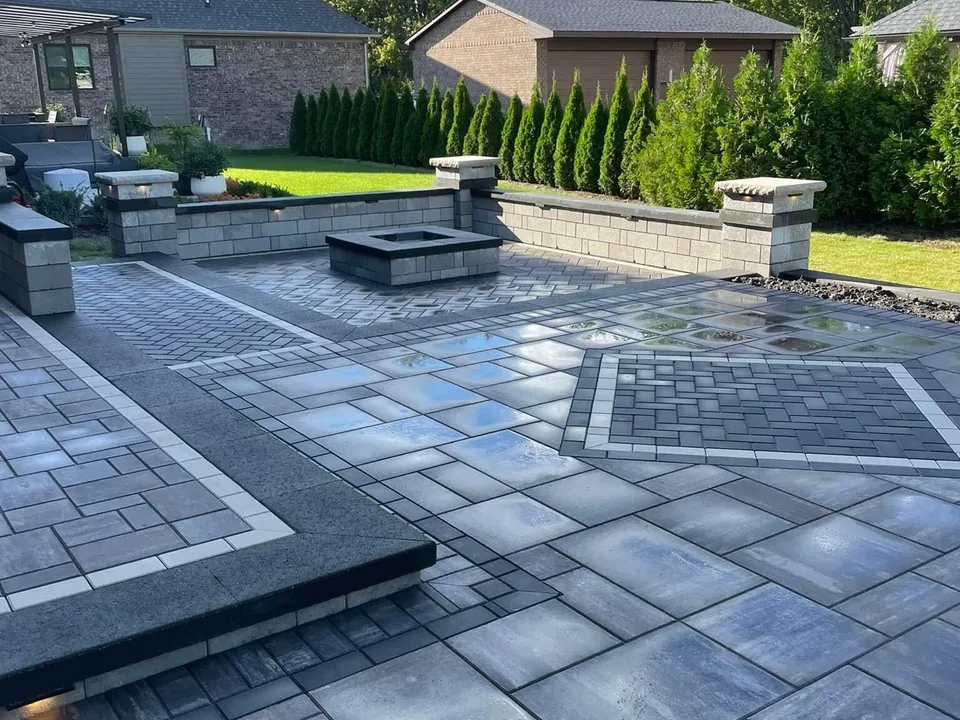
Paver patios, walkways, and pool decks for Poughkeepsie homes, including older properties in the city's historic districts, where a new walk needs approval before the first shovel.
The City of Poughkeepsie and the Town of Poughkeepsie are separate governments with separate building departments. A patio on a city lot near Academy Street and a patio in a subdivision off Route 9 can both have a Poughkeepsie address and still answer to different offices.
In the town, the Building Department is at 1 Overocker Road, and its guidance is simple: when in doubt about whether a project needs a permit, call (845) 485-3655. In the city, there is an extra question for some homes, and it matters more for a walkway or patio than most people expect. It is whether the house sits in a local historic district.
For homes outside the districts, the questions are the usual ones: how close the patio can come to the property line, whether an easement crosses the yard, where water goes, and how a crew and materials reach the backyard. A survey or plot plan answers most of those before anyone measures for pavers.
The City of Poughkeepsie's Historic District and Landmarks Preservation Commission reviews exterior changes in the city's three local historic districts, Academy Street, Garfield Place, and Dwight Street-Hooker Avenue, and at individually designated landmarks. Owners there need the commission's approval, called a Certificate of Appropriateness, before work starts.
The commission's own guidance is specific about outdoor work. It lists construction of new walks or driveways, replacing a walk with a different material, and building or removing fences and walls as changes it reviews, along with significant landscape features. It also says the review applies even when the work doesn't need a building permit. Ordinary like-for-like repair, such as resetting the same brick in the same pattern, does not.
None of that rules out pavers. It means the material, color, and layout get decided with the house in mind, and the approval step goes on the calendar before the build date. A paver that reads as brick or stone may fit an older street better than a bright modern blend.
The commission also says it is happy to meet with owners before a formal application. For a walk or patio that can be seen from the street, that early conversation can save a redesign later. Bring photos of the house and the existing walk, a rough layout, and the paver you're considering. Lawn Spa can help you pull together those project details for the meeting.
Historic district or not, these are the parts of the job worth seeing in writing.
How deep the dig goes, the stone base, and how it gets compacted. The base is what keeps pavers level through winter.
Which way the surface pitches and where runoff goes, so water moves away from the house instead of toward it.
The paver, the border, and the edge restraint that keeps everything from creeping outward over time.
How equipment reaches the yard on a tight lot, what gets protected along the way, and what the site looks like when the crew leaves.
Walls, stone, drainage, and nearby towns, for the parts of the project beyond the patio.
See Lawn Spa's full paver installation service, the service areas directory, or ask about your Poughkeepsie property directly.
Discuss Your Poughkeepsie ProjectIf the property is in one of the City of Poughkeepsie's local historic districts or is an individually listed landmark, exterior changes need a Certificate of Appropriateness from the city's Historic District and Landmarks Preservation Commission before work starts. The city's guidance says that includes work that doesn't need a building permit, and it names new walks and driveways specifically. Confirm with the Planning Department at (845) 451-4047.
The city's preservation commission lists three local historic districts: Academy Street, Garfield Place, and Dwight Street-Hooker Avenue, plus individually designated landmark properties around the city. The exact addresses are in the commission's published list, and the Planning Department can confirm whether a property is on it.
Possibly, but it goes through review first. The city's guidance lists replacing a walk with a different material, and building a new walk, as changes the commission reviews. Ordinary like-for-like repair does not need review. If you want pavers where there is brick or stone now, plan for the approval step.
According to the city's preservation commission, applications go to the Building Department at least two weeks before the monthly meeting, held the second Thursday at 7 p.m. Once an application is complete, the commission has 45 days to decide, and most decisions are made at the meeting. The commission's guidance says there is no fee for its review.
It depends on size, access, the base work, drainage, walls or steps, and the paver you choose, plus any time added by approvals. For general ranges and what drives them, read the Hudson Valley paver patio cost guide, then ask for a written estimate for your property.